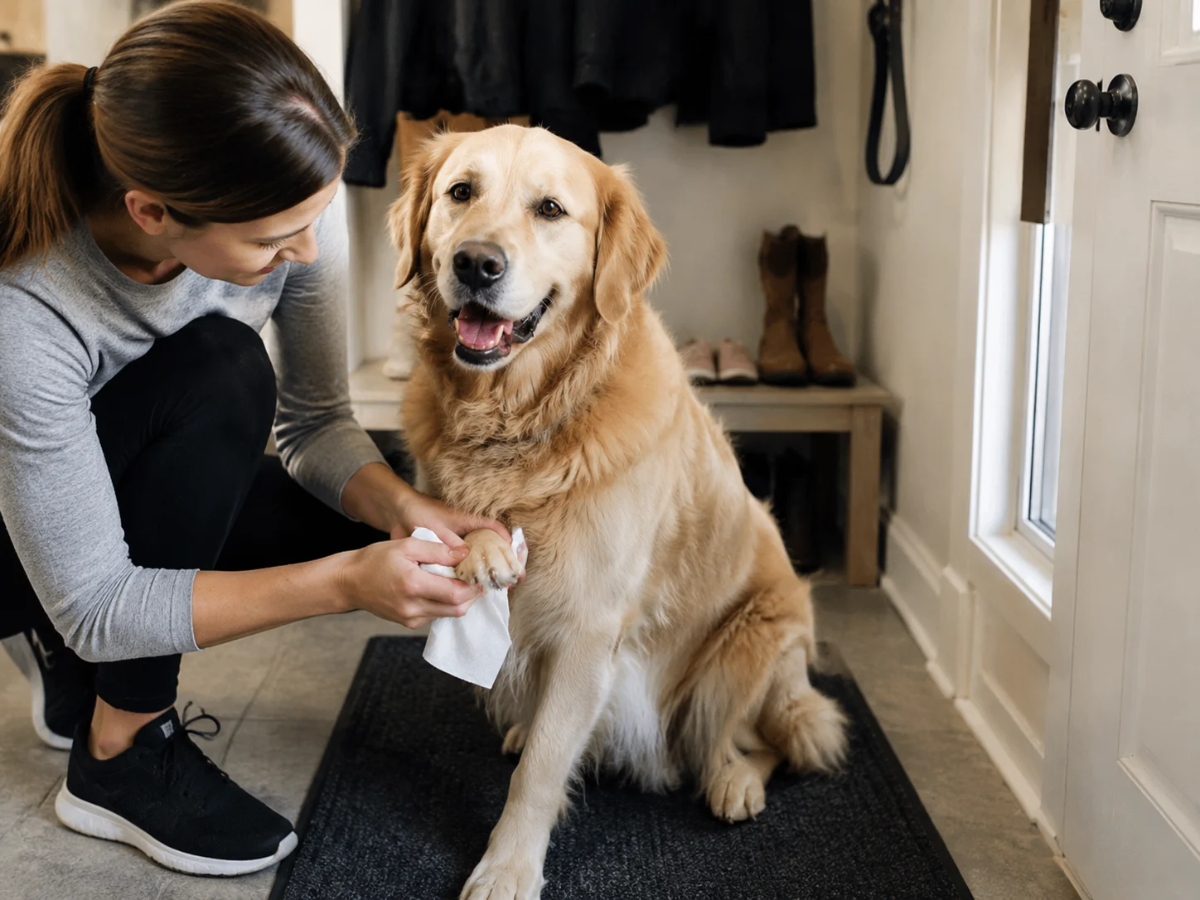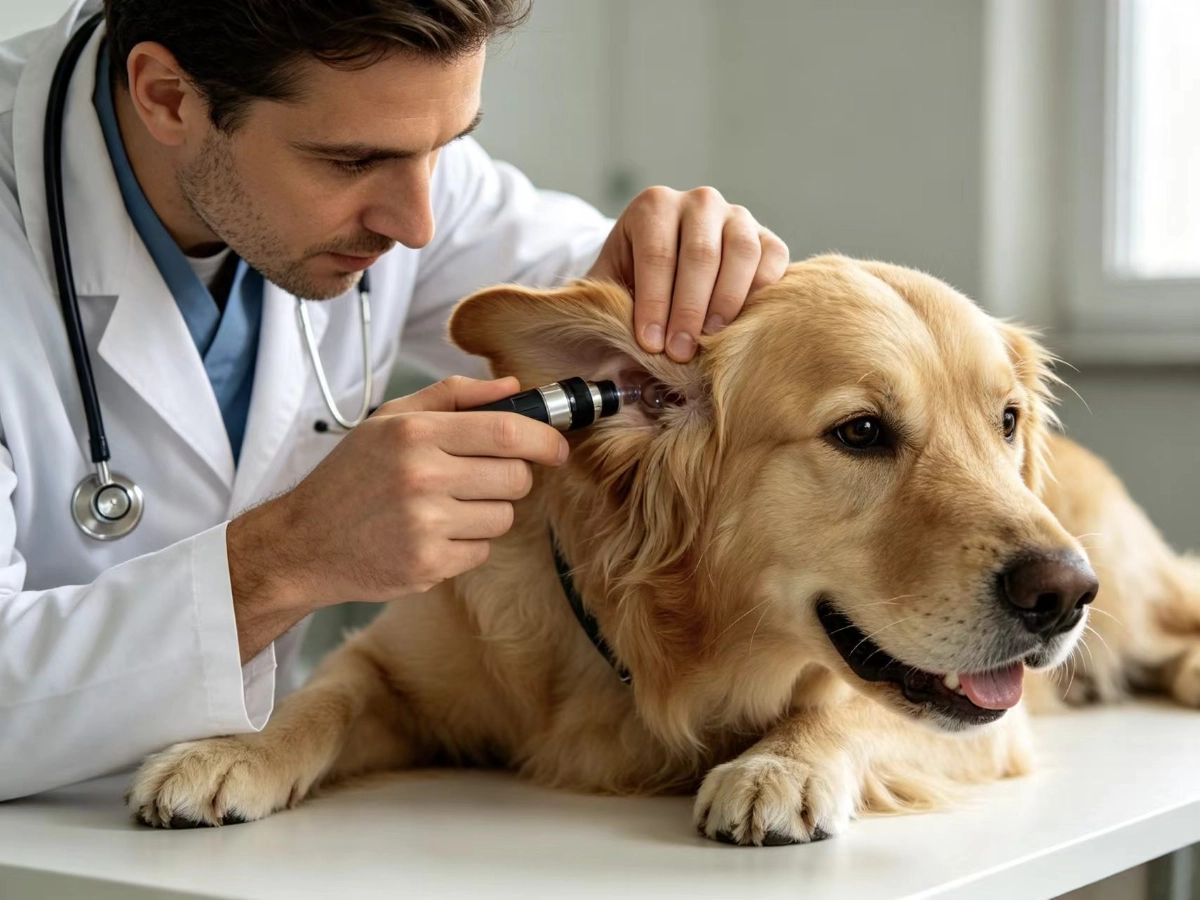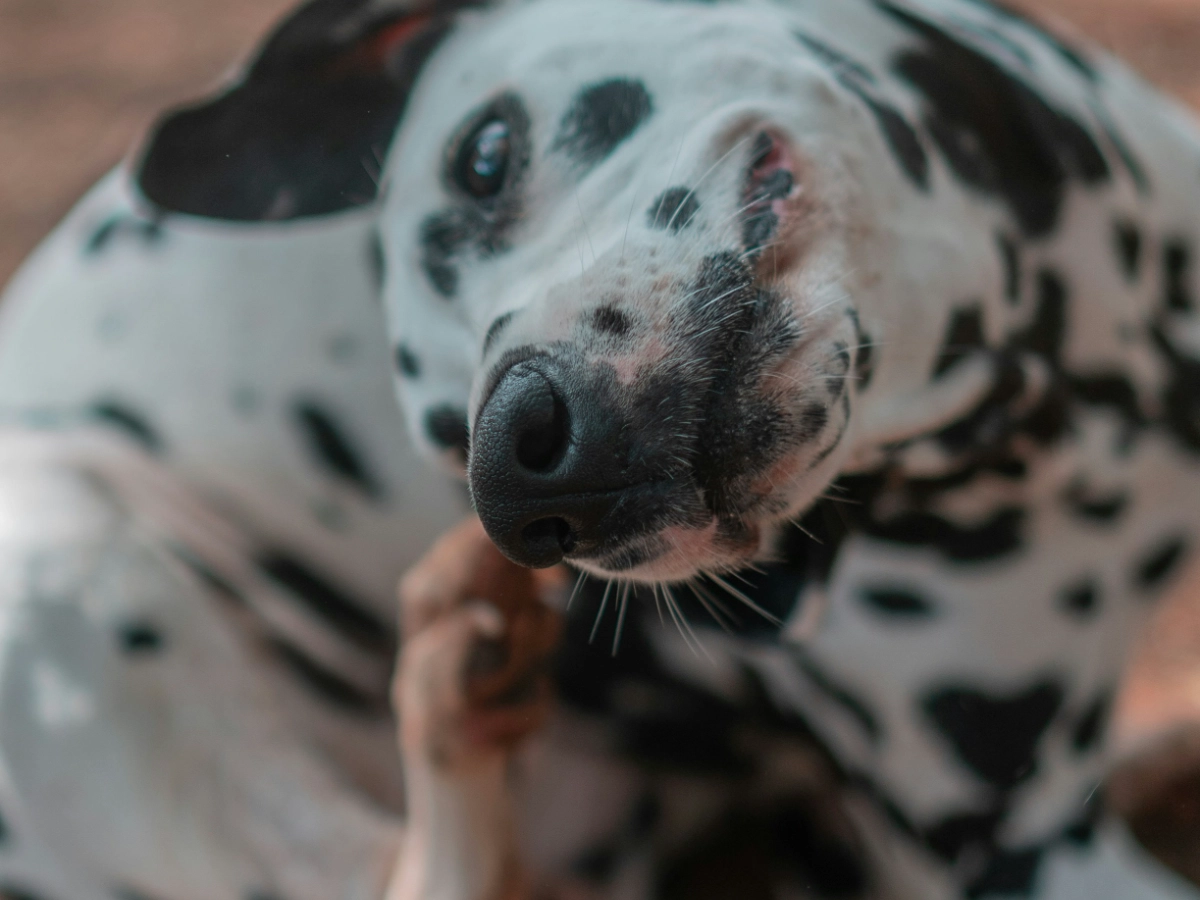

Many pet owners regularly bathe and brush their dogs, but often neglect ear cleaning. In fact, ear problems are among the most common health issues in dogs. Dogs with drooping ears, those who love swimming, and breeds prone to allergies are particularly susceptible to earwax build-up, unpleasant odors, and even dog ear infections. In fact, as long as the method is correct, cleaning a dog’s ears at home is not difficult.
Based on real experiences and professional knowledge, this article will explain in detail: how do you clean a dog’s ears, how often it is appropriate to clean them, which mistakes are most likely to harm a dog’s ears, and when it is necessary to see a veterinarian promptly.
A dog’s ear canal is L-shaped. Although this special structure can protect the eardrum, it also makes it easier for moisture, earwax, and dust to accumulate deep in the ear canal.

According to veterinary data from the AKC (American Kennel Club), dogs with drooping ears (such as Cocker Spaniels and Basset Hounds) are at a significantly higher risk of developing ear infections. Common triggers include:
If left untreated for a long time, it may even affect hearing in severe cases.
Healthy dog ears should generally:
The following situations may indicate a need for cleaning or examination:
If there is obvious bleeding, severe odor, or purulent discharge, it is not recommended to handle it yourself, and medical attention should be sought promptly.
Actually, the tools are very simple.
These items must never be used:
Veterinarians generally do not recommend using cotton swabs, as they can push the earwax deeper and may even damage the eardrum.
Principle: Only wipe the visible areas; do not go deep into the ear canal. This is safer than ‘digging it out’ and aligns with veterinary advice. Both VCA and Cornell (Cornell University College of Veterinary Medicine) explicitly warn against using cotton swabs deep inside, as this can push debris further in or even damage the ear canal or eardrum.
The frequency varies for different dogs. The cleaning frequency depends on the dog’s individual situation rather than following the same standard for all dogs.
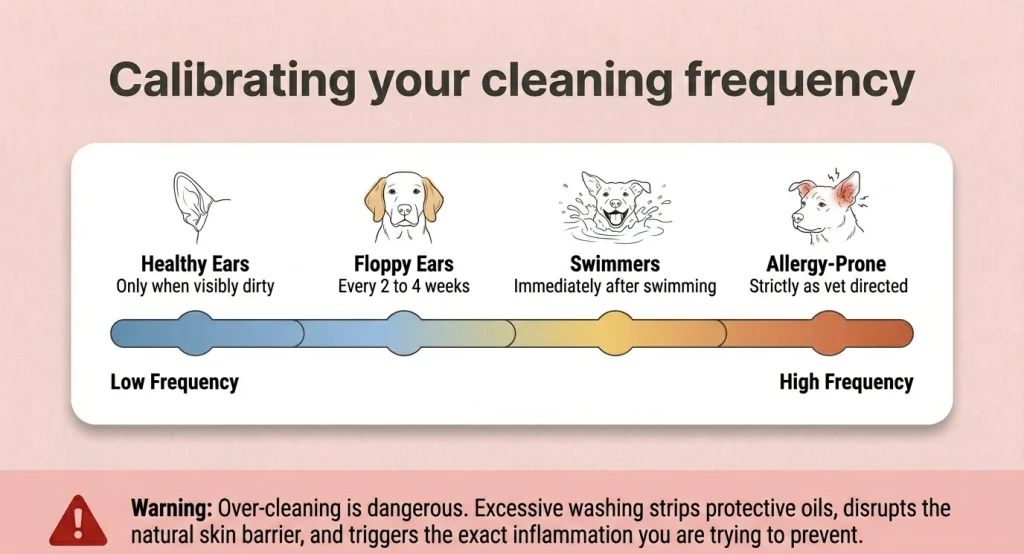
| Dog Type | Suggested Frequency |
| Ear-healthy Dogs | Clean only when dirty |
| Drooping-eared Dogs | Every 2–4 weeks |
| Dogs that swim frequently | Clean promptly after swimming |
| Dogs prone to allergies | Follow veterinary advice |
Note: Excessive cleaning may actually irritate the ear canal and cause inflammation. AKC recommends cleaning a healthy ear at least once a month, but dogs prone to ear diseases need more frequent cleaning; Cornell emphasises that the specific frequency should be based on individual conditions and the state of the ear canal.
| Pros | Cons |
| Helps prevent ear infections | Improper cleaning can irritate the ear canal |
| Reduces earwax and odour | Some dogs may resist |
| Improves overall hygiene | Over-cleaning may damage the skin barrier |
| Saves grooming costs | Severe infections still require a vet |
| Convenient for daily care | Wrong products may worsen the problem |
Normally, I pay great attention to my dog’s (a corgi named Yu-Tou) ear hygiene, so I rarely find earwax in its ears. I use finger-mounted ear cleaning wipes.
I have ear wipes that go over my finger. I play with its ears a lot anyway, and every so often, I do a quick swipe with a wipe. In the summer, it swims a lot, so I use a squeeze bottle, as one is prone to ear infections otherwise. I do it right before we go outside, and just a quick squeeze, rub the ear, then the next one. It is already leashed and ready to go, so it can’t run off and is often more focused on heading out for a walk. It’s the same way I brush its teeth.
It is recommended to seek medical attention promptly in the following situations rather than continuing to clean at home:
The MSD Veterinary Manual notes that one of the most common ear disorders in dogs is otitis externa, which often manifests as head shaking, unpleasant odor, redness, and pain; such issues require a veterinarian’s clear diagnosis and treatment.
Remember, healthy ears should be light pink, odorless, and painless. If you are unsure whether the ear condition is normal, consulting a veterinarian promptly is always the safest option.