

Table of Contents
Seeing your furry child always tickling and even dandruff falling off like snowflakes, have you ever wondered: Can you apply some moisturizer to it?
The answer is yes, but definitely not with yours. Human petroleum jelly or body milk can be poisonous for dogs. This article will combine the latest veterinary scientific research to thoroughly explain the purchase and use guidelines for dog moisturizer.
Why do dogs need exclusive emollients?
The skin is a dog’s largest organ, accounting for 12%-24% of its total body weight, and is an important barrier against the external environment, temperature changes, and infections. When this barrier is damaged, dryness, scaling, and itching ensue.
According to the Veterinary Dermatology Journal’s annual pet skin epidemic statistics, 10%-15% of dogs develop dry, flaky skin at some point in their lives, often stemming from nutritional deficiencies, environmental factors, or underlying health issues. Here are the most common causes:
- Deficiency of essential fatty acids: 70% of dry skin problems in dogs stem from a lack of adequate omega-3 and omega-6 fatty acids in their diet.
- Environmental factors: An environment with a humidity level of less than 30% will increase water loss through the epidermis and exacerbate skin dryness in winter. Harsh cleaning products, hot roads, and even indoor heating can strip the skin of its natural oils.
- Breeds and health problems: Northern breeds, such as huskies and Alaskan Malamutes, are susceptible to zinc-reactive skin disease. Breeds with more skin folds, including older dogs and pit bulls, are at a higher risk of developing dry and irritated skin.
In veterinary medicine, emollients are not just for moisturizing. For dogs, it is key to repairing the skin barrier. A 2024 study published in Veterinary Internal Medicine found that using emollients containing glycerin and propylene glycol significantly accelerated skin barrier recovery, reduced transepidermal water loss, and reduced inflammatory infiltration in the dermis.
To put it simply, a dog’s skin is like a brick wall, and a good emollient is the cement that fills the cracks, which can prevent the invasion of allergens and bacteria.
Which type of moisturizer should you choose?
Not all dog moisturizers are cookie-cutter. The best products for your furry friend, depending on their skin type, dryness severity, and even preferences, some dogs hate being applied lotion. Here are some of the most popular types, combined with real advantages and disadvantages to help you choose.
1. Moisturizing lotion for dogs
Lotion is the most common type of dog moisturizer and is designed for deep hydration and targeted relief. Ideal for dogs with dry, itchy skin or cracked paw pads. It is thicker than a spray, stays on the surface of the skin longer, and penetrates deeper.
Pros:
- Deeply moisturizes dry and flaky skin and repairs the skin barrier.
- Suitable for localized problems such as cracked paw pads, dry nose, or hot spots.
- Many lotions are leave-in and do not need to be rinsed off after application.
Cons:
- It can be greasy, especially if you apply too much, and your dog may lick it.
- Applying is time-consuming, especially for dogs who hate being touched or have long hair.
- Some cheap lotions contain artificial flavors or harsh chemicals that can irritate sensitive skin.
Best for: Dogs with severely dry skin, cracked paw pads, or local inflammation (e.g., allergies, after washing).
2. Dog Moisturizing Spray
Moisturizing sprays are lightweight and easy to apply, making them ideal for dogs that are resistant to lotions. Designed to cover hair and skin without being greasy, it is ideal for daily care or large dogs.
Pros:
- Quick and easy to apply, just spray and brush your hair.
- Not greasy, dogs are less likely to lick it.
- Suitable for large dogs or dogs with long hair, it can quickly cover a larger area.
- Many sprays contain soothing ingredients such as aloe vera, which can relieve itchy skin.
Cons:
- Lower concentration than lotion – for severe dryness, more frequent application may be required.
- Spraying too much can cause waste.
- Some sprays contain alcohol, which can further dry out the skin.
Best for: Daily moisturizing, large dogs, dogs that resist lotions, or dogs with slightly dry skin.
3. Natural dog moisturizer
Natural dog moisturizers use plant-based ingredients such as coconut oil, shea butter, or calendula and contain no artificial fragrances or harsh chemicals. Ideal for dogs with sensitive skin, or for dog parents who prefer eco-friendly products.
Pros:
- Gentle on sensitive skin, less likely to cause irritation or allergic reactions.
- Lickable (most natural ingredients are non-toxic when ingested).
- Many natural ingredients, such as coconut oil, have additional benefits, such as antibacterial effects or increased shine on the coat.
- Environmentally friendly, often in recyclable packaging.
Cons:
- It may be more expensive than regular moisturizing products.
- The shelf life is short, and the natural ingredients are prone to deterioration.
- For severe dryness or underlying skin problems, the effect may not be significant.
Best for: Dogs with sensitive, slightly dry skin, or parents who prefer natural products.
4. Homemade dog moisturizer
Homemade dog moisturizers are an affordable option that can be made using ingredients you may already have at home. It’s easy to make and can be fully customized to your dog’s needs, but be careful to avoid toxic ingredients.
Pros:
- Affordable and can use household ingredients such as coconut oil, shea butter, and honey.
- You can control the ingredients, making it ideal for dogs with a history of specific allergies.
- Fun and safe to make when done correctly.
Cons:
- Compared with the purchase of finished products, it takes time to make
- It is not effective for severe dryness.
Best for: Dogs with slightly dry skin, dog parents on a budget, or those who want complete control over the ingredients.
What ingredients really work?
There are so many products on the market that, as a responsible pet owner, you need to learn to read the ingredient list.
Active ingredients
1. Ceramides
This is the core cement of the skin barrier. Data presented at the VMX Veterinary Conference 2023 showed that the use of ceramide-containing products reduced itching by 50% within 24 hours.
2. Shea Butter:
Excellent softener for repairing cracked foot pads.
3. Vitamin E:
Powerful antioxidant to promote the repair of damaged cells.
4. Colloidal Oats
Contains avenanthramides, a powerful anti-inflammatory, antihistamine ingredient that directly blocks itch-causing signals in dogs.
5. Coconut Oil
It is rich in lauric acid, which has a certain effect on inhibiting yeast. One study found that shampoo containing 80% virgin coconut oil was effective in repelling fleas and lice.
6.1% Alaptide
This is a newer bioactive peptide, and a trial in January 2026 showed that after two weeks of use, the skin moisture of dogs with atopic dermatitis increased from 31.7 to 56.7, which was remarkable.
Risk Components:
1. Tea Tree Oil
Common in many natural sprays, but highly toxic to dogs. Even low concentrations can cause poisoning, and high concentrations can be fatal. Be sure to avoid products containing this ingredient.
2. Propylene Glycol
Although many veterinary products are used legally, high concentrations can irritate the skin. The latest research recognizes its safety in specific formulations, but caution should be exercised for extremely sensitive skin.
3. Essential Oils
For example, lavender, eucalyptus essential oil, etc., many are toxic to dogs and have a high risk after licking.
How to Apply Dog Moisturizer the Right Way
Referring to the Doctor of Veterinary Medicine and the latest research recommendations, the correct process is:
Step 1: Make sure it’s not a disease
If you see your dog’s skin being red, swollen, with pus, smelly, or showing hair loss, it should be a fungal infection or other skin disease; see a veterinarian first. Emollients only mask the condition and do not cure infections and mites.
Step 2: Apply after bathing
Do not dry coat. Apply the moisturizer after bathing, when the pores open and absorb best.
Step 3: Anti-licking measures
After applying the emollient, it is recommended to put the Elizabethan ring on the dog for 15-20 minutes until the product is absorbed.
Step 4: Match inside and outside, double the effect
Oral Omega-3 fish oil + topical emollient, 1+1 greater than 2. Supplement both inside and outside, and get better faster.
How to DIY a natural moisturizer at home?
If you like to make your own, here’s a simple recipe from Reddit users who have rave reviews and are approved by pet groomers:
Oatmeal Coconut Repair Balm
1. Prep:
1 cup organic cold-pressed coconut oil
1/2 cup oats ground into a very fine powder
2. Make:
Gently warm the coconut oil just until it melts. Add the oat powder and mix well. Pour into a glass jar and let it cool.
3. Use:
Apply to dry skin or paw pads. Completely safe if your dog licks it — in fact, it can even help with digestion.
FAQs
Q1: Can I apply human emollients to my dog?
Strongly discouraged. With an acidic pH of 4.5-5.5 and dog skin with an alkaline pH of 6.2-6.8, moisturizers suitable for humans are not suitable for dog skin. At the same time, human body lotions contain benzalkonium chloride, xylitol, or other preservatives, which can cause poisoning after a dog licks them. So for your dog’s health, use moisturizing products that are clearly labeled for dogs.
Q2: Is coconut oil good?
Okay, but don’t be deified. Benefits: Relieves slight dryness. Disadvantage: The study confirms that the level of evidence is not high. If used for diet, small dogs should not exceed 1/4 spoon per day, as they are prone to pancreatitis. In short, slight cracked nose and claws are available, and systemic skin diseases should use scientifically formulated ceramide products.
Q3: Are skin diseases a silent killer?
Yes. Although skin diseases are usually not fatal, long-term itching and pain can greatly reduce the quality of life. Don’t think that scratching is fine; chronic dermatitis can lead to serious bacterial infections.
Summary
All the information in this article is based on the latest veterinary research and real pet ownership experience. But it is not a substitute for a professional veterinarian’s visit. If your dog’s skin is persistently red, swollen, pus-filled, and smelly, be sure to take him to the vet.
Related products
-
Sale!
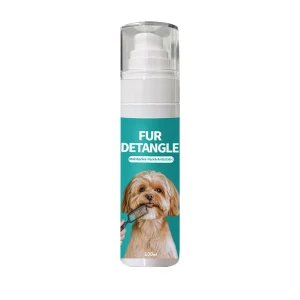
Multipurpose pet hair cleansing spray anti-static for detangling knots
$7.98Original price was: $7.98.$3.99Current price is: $3.99. Add to cart -
Sale!
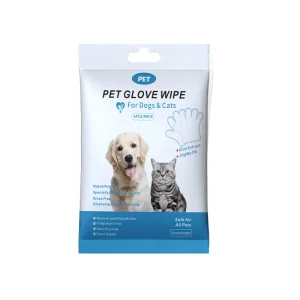
Premium Pet Glove Wipes – Hypoallergenic Aloe for All Animals
$3.29Original price was: $3.29.$1.99Current price is: $1.99. Add to cart -
Sale!
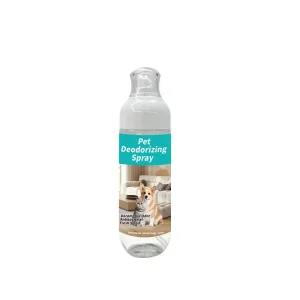
Pet Deodorizing Spray 150ml – best Natural Dog Cat Odor Remover
$5.29Original price was: $5.29.$4.99Current price is: $4.99. Read more
Related articles
How to Make a Cat Happy? Simple Things I Do Every Day
Wondering how to make a cat happy? Here are simple things I do every day to help my cat feel safe, comfortable, and loved.

Do Dogs Have a Sense of Time?
Do dogs have a sense of time? Learn how dogs use routines, light, smells, and daily habits to understand their world and anticipate what comes next.
How to Clean Your Dog’s Teeth Without Brushing: Simple Daily Methods
Wondering how to clean dog teeth without brushing? Here are simple, everyday dental care tips I use for dogs who aren't fans of toothbrushes.