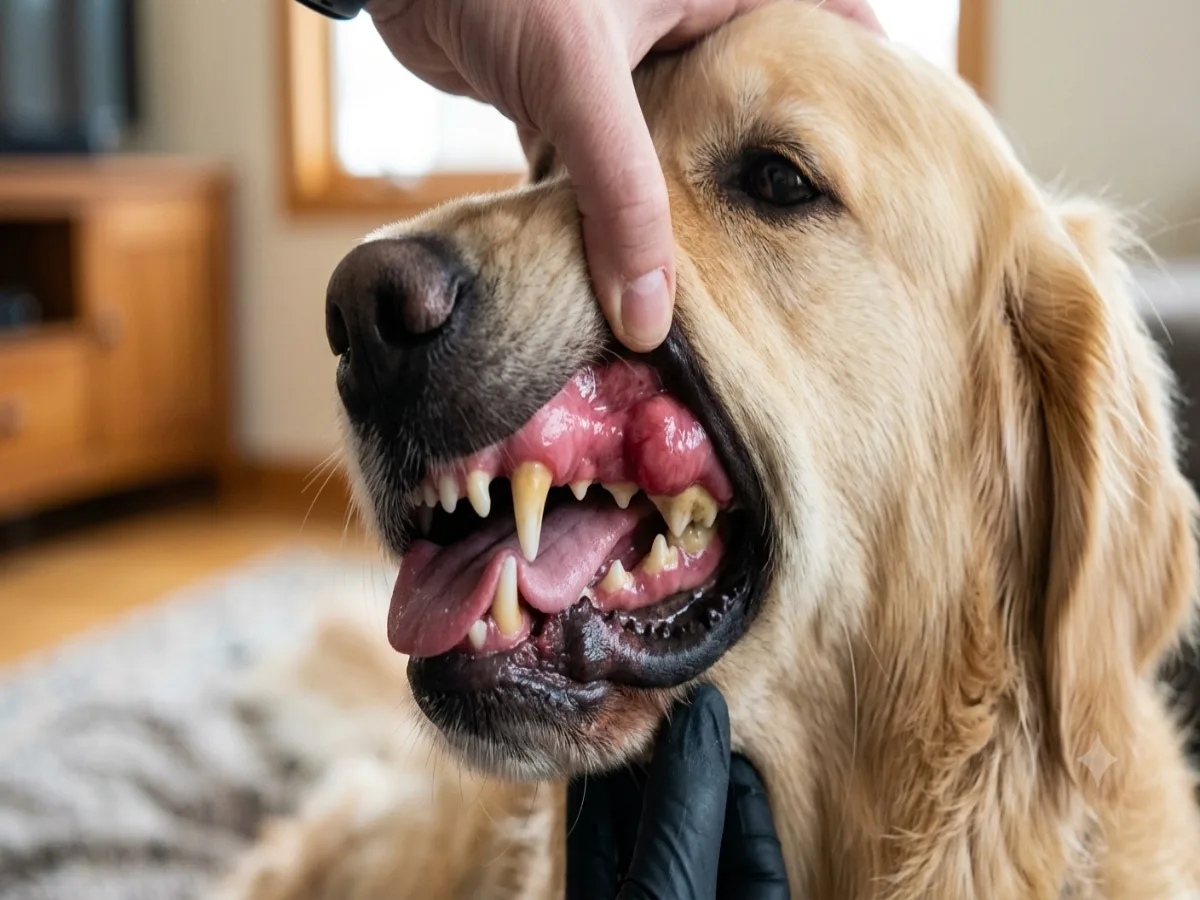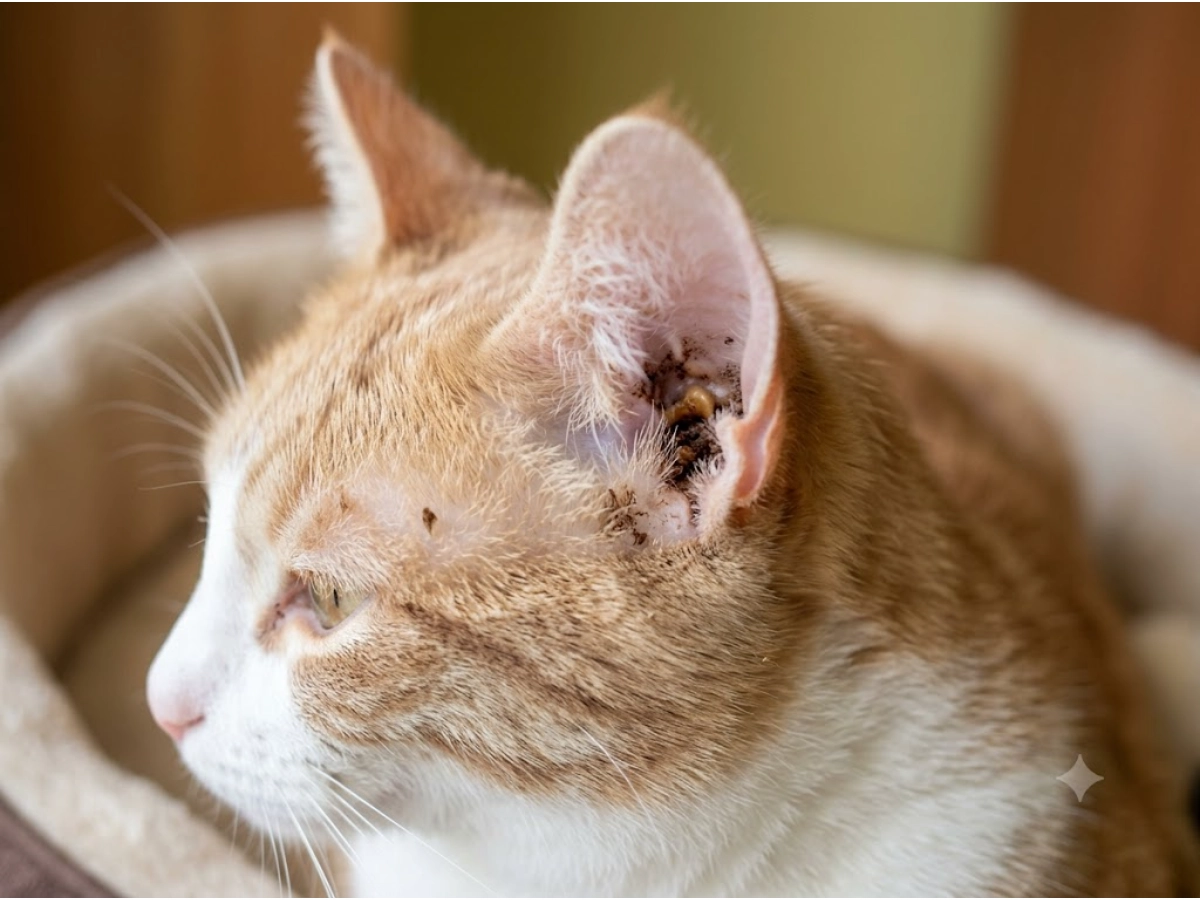

As a dog owner, one of the most heart-stopping moments is finding a random tooth on the floor and suddenly realizing it belongs to your beloved pup. Your mind immediately races with panicked questions: “Is my dog getting too old?” “Will the tooth grow back?” “Is this a medical emergency?”
As a long-time Golden Retriever parent, blogger, and pet nutritionist, I have lived through this exact panic. When my own dog suddenly lost a tooth at eight years old, my heart sank. That terrifying experience taught me just how desperately dog owners need timely, professional guidance. While losing baby teeth is entirely normal for puppies, adult dogs should never lose teeth simply due to aging. In almost every case, a missing adult tooth is a major red flag indicating a deeper, hidden health issue beneath the gumline—most commonly advanced periodontal disease, physical trauma, or an underlying systemic illness.
Unfortunately, dogs are absolute masters at hiding pain. A wagging tail, a healthy appetite, or even a lack of bleeding when a tooth falls out does not mean your dog’s mouth is healthy. In this vet-approved, in-depth guide, we will break down exactly why adult dogs lose teeth, how to spot the subtle signs of oral pain, and the immediate steps you must take to protect your best friend’s quality of life.
Golden Retrievers are notorious “mouthy” dogs. When they are awake, they almost always have something in their mouths—be it a ball, a stick, a shoe, or a plastic bottle. My Golden was no exception.
When he turned eight, I thought he was in peak health and bursting with energy. Aside from some occasional bad breath—which I foolishly chalked up to normal “dog breath”—he showed no signs of trouble.
Then, one afternoon, during a playful session of chewing on his favorite soft toy, I spotted a small, white object on the living room floor. It wasn’t a piece of plastic; it was an actual tooth.
My heart sank instantly. There was barely any blood, he wasn’t crying, and he kept wagging his tail happily as if nothing had happened. I even tried to comfort myself by thinking, “Maybe senior dogs, like humans, just lose teeth naturally as they age.”
I couldn’t have been more wrong. After taking him to the vet for a comprehensive oral exam and dental X-rays, he was diagnosed with advanced periodontal disease. That premolar hadn’t just fallen out overnight. Over several months, bacteria in plaque had silently devoured the gum tissue and the underlying jawbone, stripping the tooth of its support until it finally gave way.
Looking back, the warning signs were there all along—I just missed them:
Individually, these symptoms seemed minor, but together, they painted a classic picture of chronic periodontal disease. That experience completely reshaped how I view canine dental health. If your dog has lost a tooth, please don’t panic—but do not ignore it. Early intervention can save their remaining teeth and prevent them from suffering in silence for years.
While it is completely normal for puppies to lose their baby teeth between 3 and 6 months of age, losing a permanent adult tooth is a veterinary emergency. Even if there is no blood or obvious sign of pain, you should schedule a veterinary dental exam as soon as possible. This is because a missing tooth typically points to advanced periodontal disease, severe oral trauma, or systemic health issues that require an immediate evaluation of the remaining teeth, gums, and jawbone.
The easiest way to understand dog tooth loss is to look at their life stage, which divides this issue into two clear categories:
Puppies: Losing baby teeth is completely normal because permanent teeth are growing underneath to take their place.
Adult Dogs: Losing permanent teeth is always abnormal, signaling an underlying oral or systemic health issue.
For puppies, losing teeth is a completely normal biological milestone. A puppy’s deciduous (baby) teeth start erupting at 2 to 4 weeks of age, and they typically have 28 baby teeth by the time they reach 8 weeks.
Between 3 and 6 months of age, these baby teeth naturally loosen and shed to make room for the permanent adult teeth growing underneath. This is the only time in a dog’s life when a lost tooth will grow back. During this teething phase, you might notice increased chewing, mild gum redness, or minor bleeding—all of which are normal. By about 7 months of age, your dog should have all 42 of their permanent adult teeth. These teeth are meant to last a lifetime, and once lost, they will never grow back.
As dogs reach 8 or 10 years of age, owners frequently search online for terms like “8-year-old dog losing teeth” or “10-year-old senior dog losing teeth.” It is easy to assume that losing teeth is just a natural part of getting old, but this is a massive misconception.
Old age itself does not cause teeth to fall out. In reality, the foundation for periodontal disease is often laid when a dog is still young. Without routine dental care, aging simply gives plaque and tartar years to build up and worsen, eventually leading to jawbone recession and loose, falling teeth.
| Age Stage | Dental Development Status | Is Tooth Loss Normal? | Veterinary Recommendation |
| 2–4 Weeks | Baby teeth begin to erupt. | N/A | Monitor baby teeth eruption. |
| 3–6 Months | Baby teeth shed; 42 permanent teeth begin to erupt. | Normal (Teething Phase) | Provide safe, soft teething toys. |
| 6–7 Months | All 42 permanent adult teeth are fully developed. | Abnormal | Start daily toothbrushing desensitization training. |
| 1–7 Years | Golden years of adulthood. | Abnormal | Brush teeth daily; schedule annual veterinary checkups. |
| 8+ Years | Senior stage. | Abnormal (Indicates chronic issues) | Professional dental exams are highly recommended. |
When an adult dog loses a tooth, it is usually the culmination of a long, silent disease process. Veterinarians typically categorize these causes into three main areas:
Periodontal disease is a chronic bacterial infection that systematically destroys the structures supporting the teeth, including the gums, periodontal ligaments, and alveolar bone.
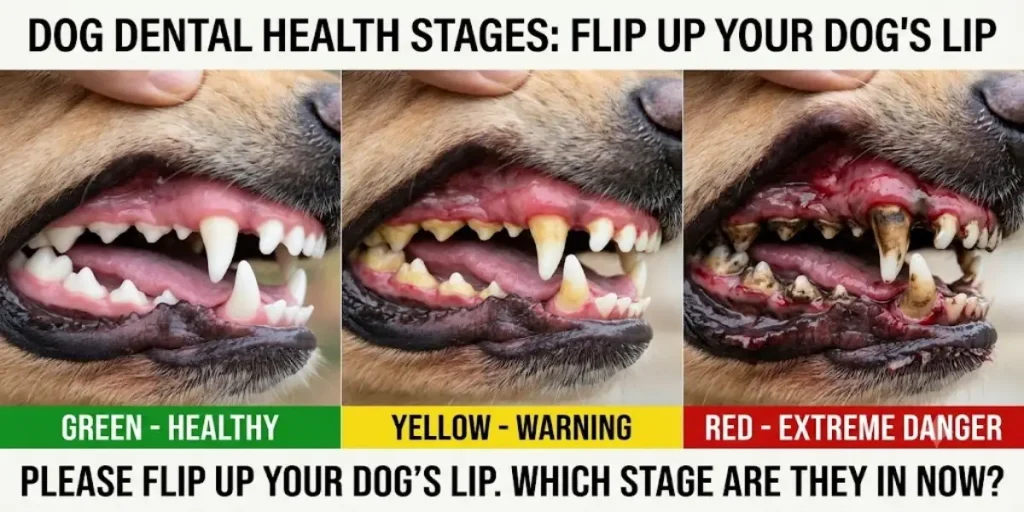
Sometimes, tooth loss is purely the result of aggressive chewing habits. While many dogs have powerful jaws and love to chew, veterinary dentists warn: never let your dog chew on anything harder than their teeth.
Oral health does not exist in a vacuum. Several systemic conditions can accelerate dental decay:
When a dog loses a tooth, there is often no blood and no obvious outward signs of distress. This leads many pet parents to assume the situation isn’t serious, but the opposite is actually true.
When a tooth falls out without bleeding, it usually means the tooth was already “dead” before it detached. Throughout the long, chronic process of periodontitis, the bacterial infection completely destroys the surrounding blood vessels, nerves, and ligaments. Because the blood supply and nerve endings have long been severed, there is almost no live tissue left to bleed when the tooth finally drops out.
Dogs have evolved a powerful instinct to hide pain to avoid showing weakness in the wild. Even with a broken tooth, severe gum infection, or exposed roots, they will still wag their tails, greet you happily, and even continue to eat.
Instead of waiting for them to whine or cry out, look closely for these subtle behavioral changes:
If you discover that your adult dog has lost a permanent tooth, follow this professional veterinary action plan immediately:
| Step | Action Plan | Core Purpose | Key Warnings |
| Step 1 | Save the lost tooth | Bring it to the vet to assess root damage. | Never attempt to pull out other loose teeth yourself! |
| Step 2 | Schedule a professional dental exam | Assess overall oral health and spot hidden issues. | Act quickly; do not delay just because there is no bleeding or pain. |
| Step 3 | Get dental X-rays | Inspect the 60% of tooth structure hidden beneath the gumline. | A visual exam alone cannot detect deep root abscesses or bone loss. |
| Step 4 | Proceed with professional dental treatment/extraction | Completely extract unsalvageable teeth to eliminate the source of infection. | This must be done under full general anesthesia to ensure a pain-free, safe procedure. |
| Step 5 | Adjust their diet (soft food transition) | Reduce oral strain and support post-operative healing with proper nutrition. | Follow scientifically formulated pet nutrition guidelines for a smooth transition. |
Learning that your dog needs multiple tooth extractions can trigger a lot of anxiety for senior pet owners: “How will my dog eat if they lose all their teeth?”
The short answer is: absolutely, and they will likely enjoy their food more than ever! Once those painful, infected, and diseased teeth are extracted, the chronic pain and inflammation are gone. Consequently, most dogs experience a massive boost in appetite, energy, and overall spirit. After the extraction sites heal, their gums will become tough and keratinized, making it incredibly easy for them to manage soft food.
Proactive daily care is the single most effective way to halt further tooth loss:
No. Aging itself does not cause canine teeth to fall out. While senior dogs are statistically more prone to tooth loss, this is always the result of long-term, progressive periodontal disease caused by years of unaddressed plaque and tartar buildup.
Yes, it is incredibly common, given that over 80% of dogs show signs of periodontal disease by age three. However, “common” does not mean “normal.” Losing permanent teeth is a sign of a severe, untreated oral infection and requires immediate veterinary attention.
Schedule an appointment with your veterinarian right away. They will perform dental X-rays to check for bone recession or abscesses below the gumline, safely extract any painful or dead teeth under anesthesia, and provide appropriate pain management.
Yes! Dogs can eat and thrive perfectly fine without teeth. Once the painful, infected teeth are removed and the gums heal, your dog can comfortably eat softened kibble, canned wet food, or fresh, soft diets.
At the end of the day, our dogs do so much to keep us happy. And since they can’t tell us when their mouth is hurting, they really count on us to pay attention to the little things. Dental health isn’t just about keeping their breath fresh—it’s about making sure they aren’t quietly suffering and can enjoy their favorite foods and toys for years to come. If you just found a loose tooth or something feels a bit off, don’t wait it out. Give your vet a quick call today. Your pup (and their sweet, goofy smile) will thank you for it!
Disclaimer: The information provided in this article is for educational and informational purposes only and is not intended as professional veterinary advice, diagnosis, or treatment. Always consult with a qualified veterinarian regarding any questions you may have about your pet’s health or medical conditions. Never disregard professional veterinary advice or delay seeking it because of something you have read on this website.