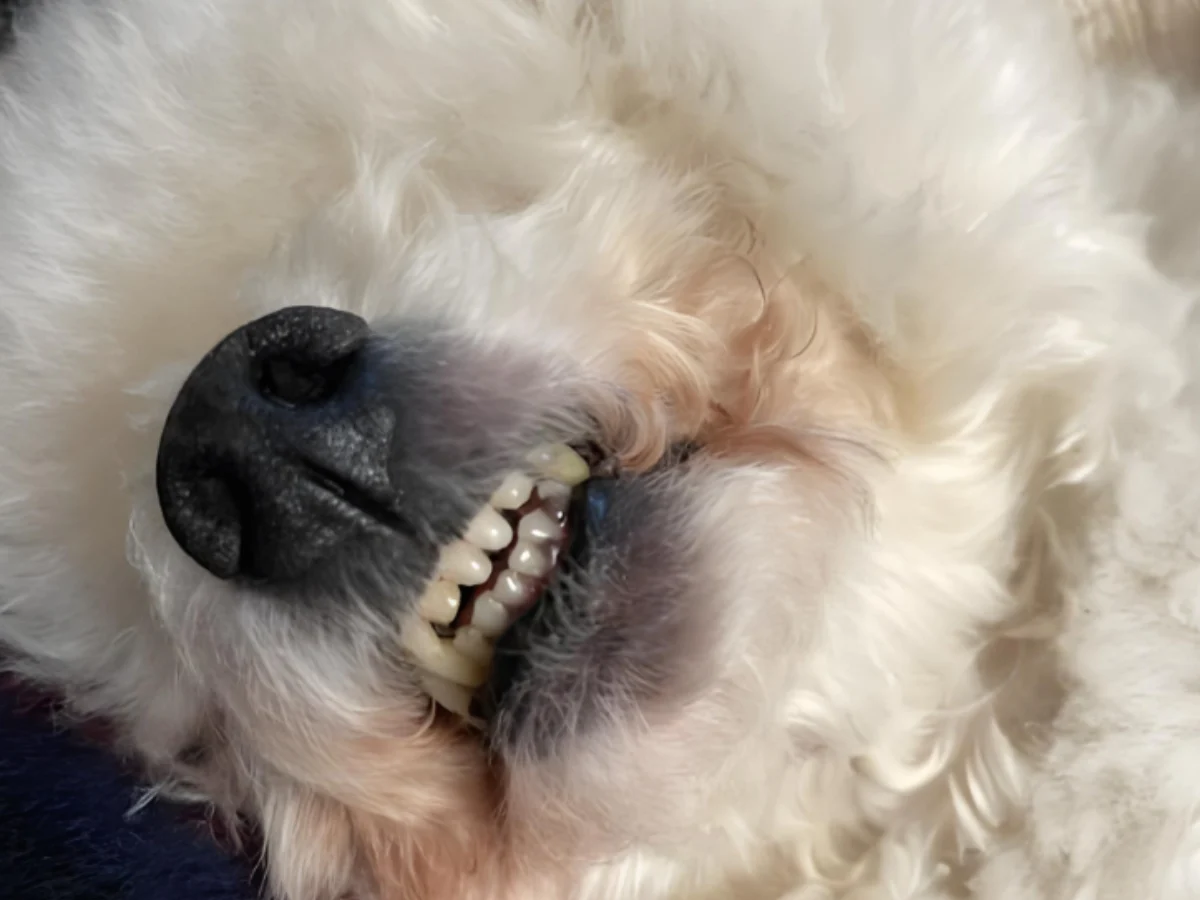

Have you ever been bothered by your cat’s bad breath? Every time you want to give your cat a close face-to-face cuddle, it opens its mouth and the unpleasant odor makes you quickly back away. Your cat’s oral health should never be overlooked. Today, we’ll discuss how adjusting your cat’s diet can help reduce bad breath and other oral issues. The dental diet for cats and dietary tips shared in this article are intended for general reference only and cannot replace professional veterinary advice. If your cat has persistent bad breath, red or swollen gums, pain while eating, or signs of dental tartar or periodontal disease, please consult a veterinarian promptly for examination and treatment.
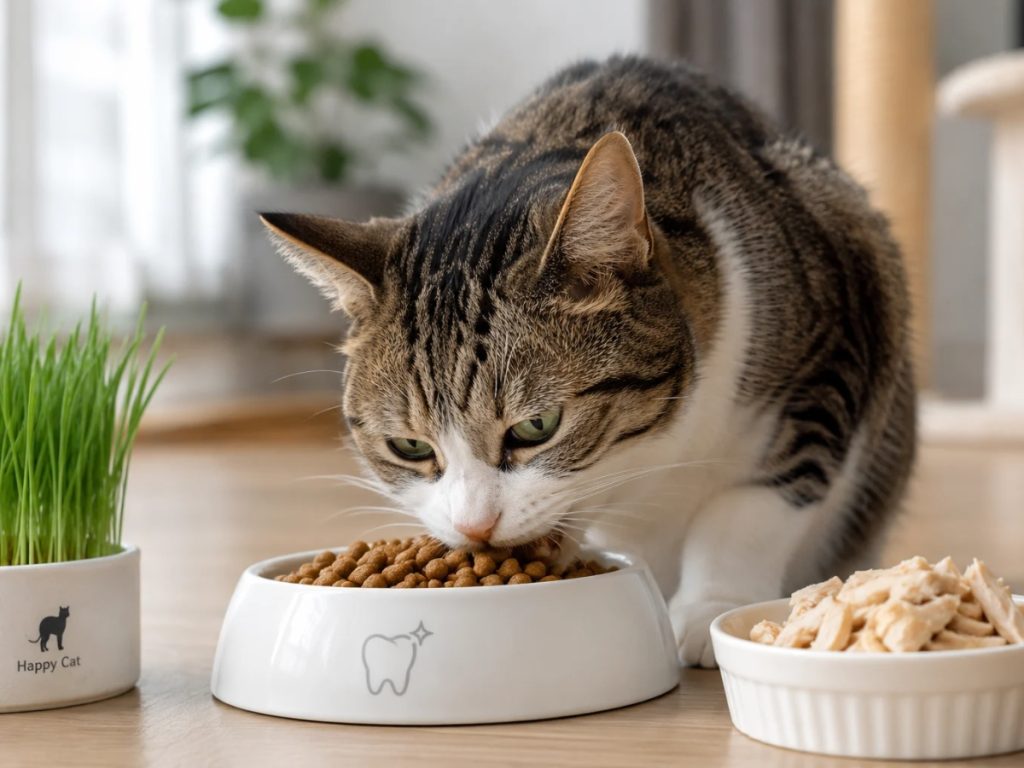
1. Why do many cats appear to eat normally, yet quietly develop dental problems?
1.1 What is the most common oral issue in cats?
The most common oral problem in cats is periodontal disease. According to the American Veterinary Dental College (AVDC) and relevant veterinary guidelines, periodontal disease is one of the most prevalent conditions in both cats and dogs. The World Small Animal Veterinary Association (WSAVA) has cited research data indicating that at least 70% of cats develop periodontal disease before the age of three. The Cornell Feline Health Center further notes that between 50% and 90% of cats over four years old will experience some form of dental disease.
1.2 What is the “invisible killer” threatening cats’ health?
Taking feline oral health as an example, many owners focus on symptoms such as vomiting or diarrhea caused by gastrointestinal issues, but overlook the hidden dangers that oral diseases pose to their cats’ teeth. Kittens are particularly good at hiding pain; they often show no discomfort during early stages of plaque or tartar buildup, with only mild bad breath—easily mistaken for normal body odor. By the time symptoms like drooling or refusal to eat appear, the inflammation has already progressed significantly.
It wasn’t until my cat had persistent bad breath for a long time that I realized its gums had already become inflamed. Before that, I hadn’t noticed any signs of discomfort.
2. Is dental care food really effective for cats? Why do veterinarians recommend dental diets?
2.1 What kind of diet do veterinarians recommend to maintain a cat’s oral health?
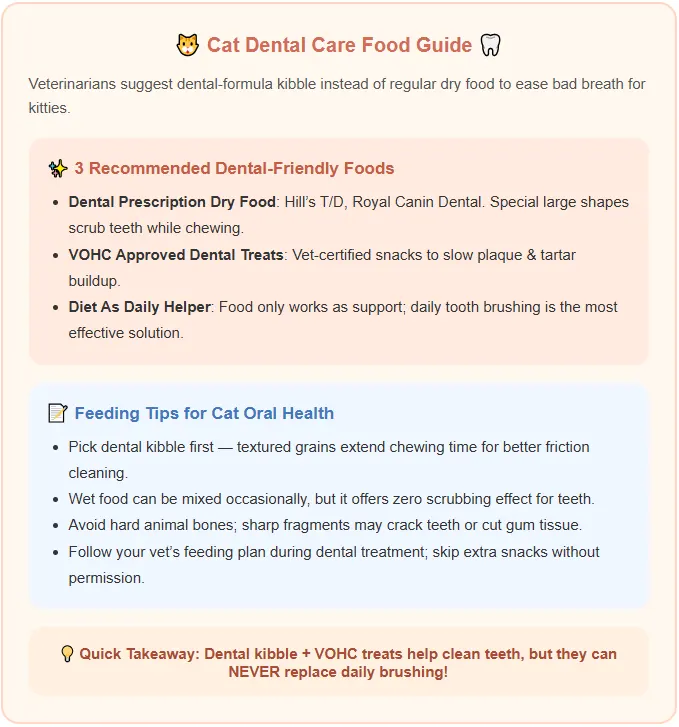
Prioritize VOHC-certified dental treats and consider formulas with specially designed kibble textures that increase chewing friction. Diet should only serve as a supplementary measure; the most effective methods remain brushing and cleaning with cat-specific dental wipes after meals.
2.2 How does dental food help reduce plaque?
① Increases frictional cleaning: Larger, uniquely textured kibble helps remove some soft plaque and debris from tooth surfaces during chewing, similar to scrubbing.
② Slows plaque formation: If plaque isn’t removed promptly, it can calcify into tartar over time; dental food helps minimize plaque buildup.
③ Extends chewing duration: Designed to be more durable than regular kibble, it prolongs contact between teeth and food, helping prevent deposits.
3. How to Choose the Right Oral Care Cat Food for Your Cat?
3.1 Which Cats Are Suitable for Royal Canin Oral Care Cat Food?
Suitable Types:
Adult cats: This formula is typically labeled as adult cat food and is not intended for kittens.
Cats prone to dental tartar: Packaging and product descriptions emphasize that the unique kibble structure helps reduce plaque and tartar buildup by contacting the oral cavity.
Cats needing daily oral care: Ideal for cats whose owners want to incorporate oral hygiene into their regular diet, complementing brushing routines.
Common User Feedback:
Based on reviews from the official website, most users report improved nutrition and vitality in their cats. One cat owner noticed early signs of gingivitis in her cat. After a vet visit, she was warned this could progress into more serious dental issues. She then switched her cat’s food to a mix of urinary care, dental care, and coat care dry foods. Her cat showed noticeable improvements in energy and overall health.
On Reddit discussions about this topic, some users reported no improvement in oral health. They also observed that after feeding only dry food for a while, their cats’ fur became less soft and they gained weight. These users suspect that the lack of wet food alongside dry food might be the cause. However, an effective way to improve oral health remains brushing your cat’s teeth regularly.
3.2 How About Hill’s Science Diet and Purina Oral Care Cat Foods?
Below is a comparison of these two brands. Both should be considered supplementary measures for daily dental care and cannot fully replace tooth brushing.
| Comparison Item | Hills Science Diet | Purina |
| Main Function | Effectively reduces plaque, soft tartar, and dental calculus in cats | Oral care |
| Cleaning Mechanism | Unique kibble texture combined with interlocking fiber structure provides physical friction to clean tooth surfaces during chewing | Relies on specially shaped kibble to assist in teeth cleaning through a cat’s regular chewing |
| Suitable Cats | Adult cats, especially those prone to plaque and tartar buildup | Varies by specific product model; different versions target different needs |
| Usage Scenario | Daily oral maintenance; best used in combination with brushing | Designed as a dedicated oral care product, serves as a supplementary food for daily brushing routine |
| Limitations | Acts only as an aid; cannot replace manual brushing or professional veterinary treatment | Acts only as an aid; cannot replace manual brushing or professional veterinary treatment |
3.3 What aspects of dental care cat food do real users care about in their discussions?
Users are primarily concerned with which type of cat food can clean teeth and provide good health benefits. Some believe that dry food may cause oral problems, as the sugars in it feed bacteria and promote bacterial growth; for cats, the best food is raw bones. Others think that larger kibble specifically designed for oral health requires cats to chew each piece thoroughly instead of swallowing whole. These kibbles contain special fibers that help clean teeth during chewing.
4. Wet Food: What’s the Best Option for Cats with Dental Issues?
4.1 What Type of Wet Food Is Suitable for Cats with Poor Teeth?
● High in protein and low in fillers
Choose wet food with real meat—such as chicken—as the primary ingredient, minimizing by-products, fillers, and artificial additives. Avoid excessive grains, as some cats are sensitive to them, which may affect digestion and blood sugar levels.
● Soft texture for easy swallowing
Opt for smooth, puree-style canned foods that require little or no chewing; finely shredded or minced meat forms also work well for cats with sensitive teeth or missing teeth.
Wet pouch diets are ideal for senior cats, kittens, and cats suffering from dental conditions.
4.2 How Should a Cat with Gingivitis Adjust Its Diet?
① Reduce gum irritation:
Switch to liquid or soft foods to minimize friction on inflamed gums. Avoid hard items such as bones, dry kibble, or crunchy treats, as sharp edges can scratch swollen gums and worsen inflammation and pain. Serve food at room temperature—extreme temperatures can irritate sensitive gums.
② Feed foods that support gum recovery:
Prioritize high-protein, grain-free wet food made with pure meat ingredients, which are easier to digest and reduce gastrointestinal allergies that could weaken immunity. Supplement with vitamins B and E to soothe oral inflammation. When feeding prescription diets as directed by your vet, avoid giving additional treats, as they may interfere with treatment.
③ Transition gently to avoid oral stress:
Gradually switch foods over a period of about one week, mixing new and old food incrementally. Sudden changes may lead to refusal to eat or loose stools. Monitor eating habits daily—seek veterinary care immediately if your cat shows prolonged loss of appetite, drooling, or weight loss.
Diet alone is supplementary care. Combining it with tooth brushing and dental chews will yield better oral hygiene results.
4.3 What Foods Help Clean a Cat’s Teeth?
● Dental-specific dry food with special fiber content and larger kibble size requires chewing rather than swallowing. Chewing action helps scrub the tooth surface, removing plaque and tartar.
● Clean, safe pet-friendly bones (avoid sharp raw bones or meat with jagged edges), which can be easily torn and used for gentle abrasion.
5. Are There Any Foods That Can Naturally Clean a Cat’s Teeth?
5.1 Which Foods Support Healthy Feline Teeth?
● VOHC-certified dental treats have been clinically tested by professional dental organizations and proven effective in reducing plaque buildup—significantly more reliable than regular treats.
● Veterinarian-formulated oral care diets feature unique textures that help clean teeth naturally during chewing.
● Diets based primarily on fresh meat, with minimal grains and low-quality fillers, reduce bacterial growth at the source while providing essential nutrients to strengthen gum health.
● Small amounts of slightly dry freeze-dried chunks can help remove soft plaque when chewed, making them great interactive rewards.
● Pairing with wet food increases water intake, helping flush out oral debris during meals. Increased hydration also reduces bacterial growth in the mouth.
Finally, here’s the honest truth: No single food can solve all dental problems on its own! No matter how “dental-friendly” the diet, it cannot replace daily tooth brushing and regular veterinary dental checkups.
5.2 Why can no food completely replace tooth brushing?
① Limited cleaning range: When cats chew food, they mainly clean the outer surfaces of their teeth, gum grooves, and interdental spaces, but cannot reach deeper areas effectively.
② Inconsistent cleaning effectiveness: Regular dry kibble breaks apart easily when bitten, failing to provide sufficient friction for thorough cleaning. Many cats also swallow it whole.
③ Rapid plaque formation and calcification: While food may help reduce plaque buildup, it cannot fully remove existing plaque.
6. These unusual behaviors may be warning signs that your cat is having dental problems
6.1 Why does a cat chew food and then spit it out?
Due to oral pain causing difficulty in eating, the cat chews only briefly before shaking its head and regurgitating the food, unable to swallow normally. This indicates that the mouth is sending a pain signal—immediate veterinary examination for an oral checkup is essential.
7. Seven: These Feeding Misconceptions May Be Quietly Damaging Your Cat’s Teeth
7.1 Which Types of Meat Are Not Suitable for Cats?
Processed meats containing salt, preservatives, or other seasonings are unhealthy for cats. Fatty meats (especially pork fat) are unsuitable due to their high fat content, which can lead to issues such as fatty liver, and pancreatitis. Additionally, certain raw meats may carry bacteria or parasites, so they should not be fed to cats.
-
Sale!
Multipurpose pet hair cleansing spray anti-static for detangling knots
Original price was: $7.98.$3.99Current price is: $3.99. Add to cart -
Sale!
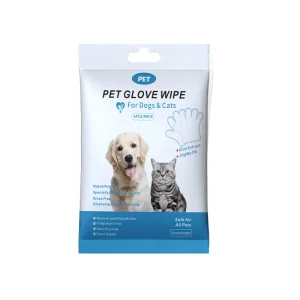
Premium Pet Glove Wipes – Hypoallergenic Aloe for All Animals
Original price was: $3.29.$1.99Current price is: $1.99. Add to cart -
Sale!
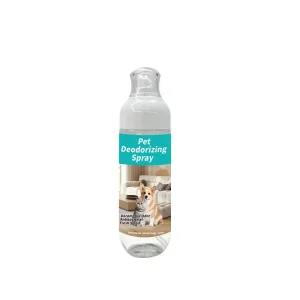
Pet Deodorizing Spray 150ml – best Natural Dog Cat Odor Remover
Original price was: $5.29.$4.99Current price is: $4.99. Read more