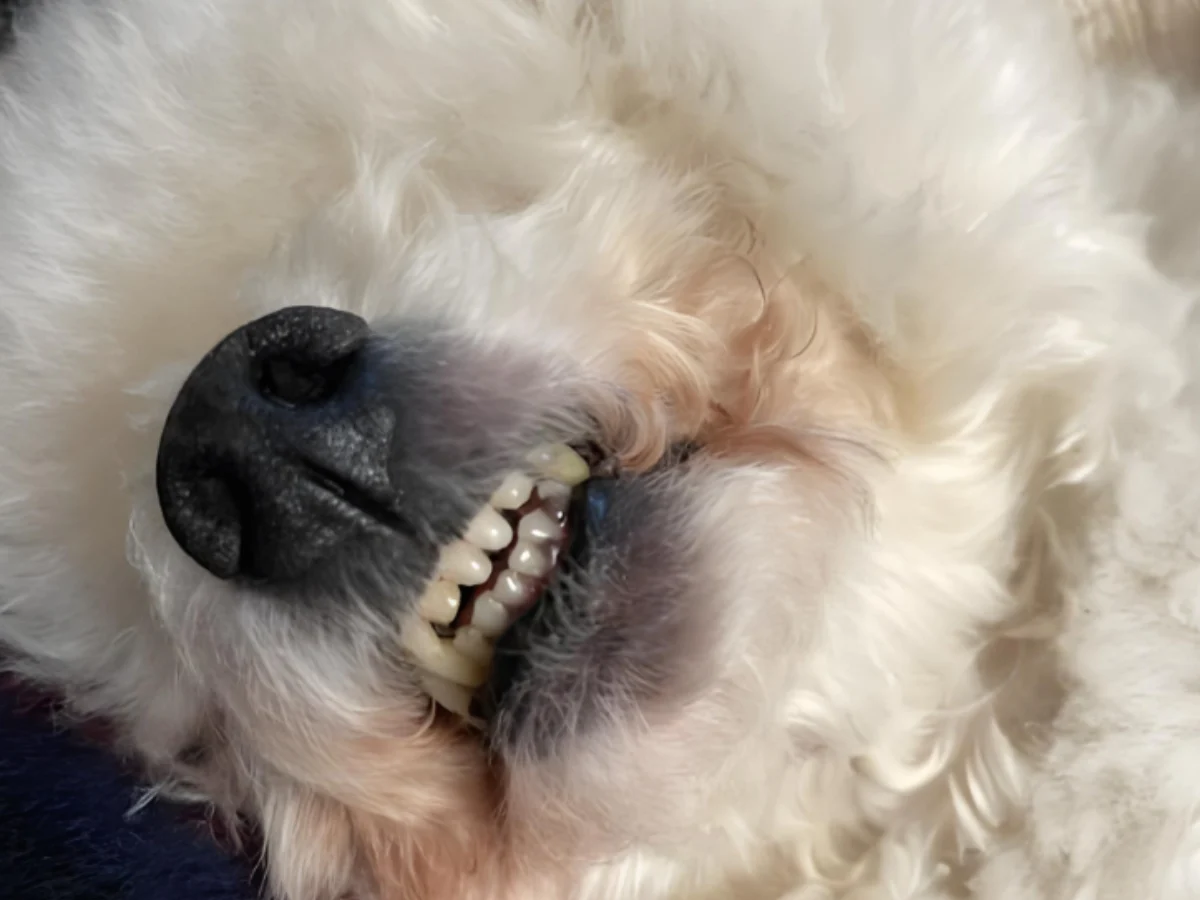

If your dog’s greeting comes with a wave of foul odor that makes you wince, you aren’t alone. When your dog’s breath stinks, it is easy to look for a quick-fix dog bad breath solution. However, foul-mouth odor—clinically known as halitosis—is more than just a minor social inconvenience. It is often a primary window into your dog’s oral health and internal well-being.
Before you empty your wallet at a specialist clinic, there are several highly effective, safe, and natural remedies for dog bad breath you can try right in your kitchen. Let’s break down exactly why your dog’s breath might smell, explore 11 powerful home remedies, and look at when it’s time to call the veterinarian.
Table of Contents
Is Bad Breath in Dogs a Sign of Illness?
The short answer is yes, it can be. While we shouldn’t expect a dog’s breath to smell like mint, it shouldn’t smell repulsive either. Persistent bad breath is typically caused by an overgrowth of bacteria, which can stem from several underlying issues:
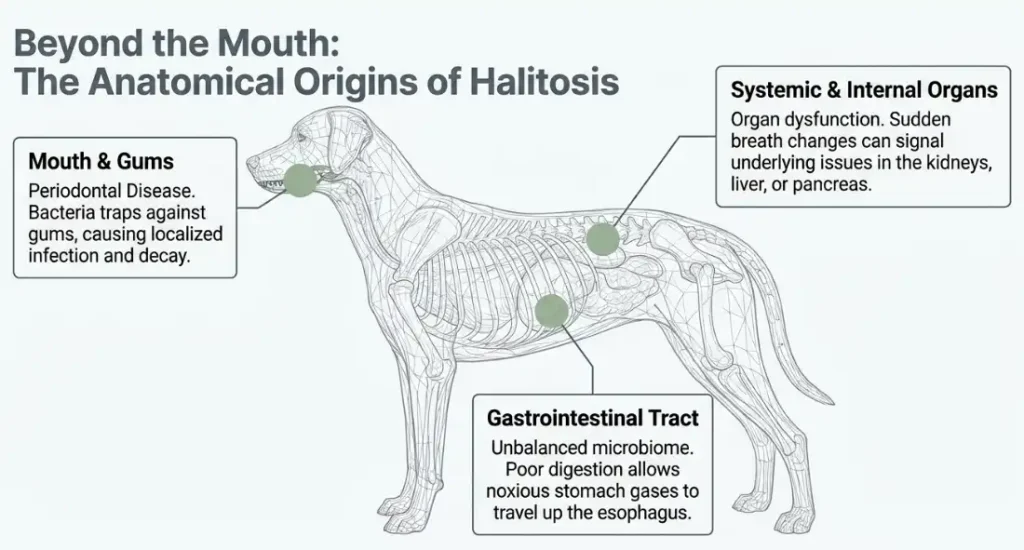
- Periodontal Disease: By the age of three, over 80% of dogs show signs of canine periodontal disease. Food particles and bacteria form plaque, which hardens into tartar, trapping dangerous bacteria against the gums and causing gingivitis.
- Dogs’ Bad Breath From the Stomach: Chronic foul breath can originate in the gastrointestinal tract. An unbalanced gut microbiome or poor digestion can cause gases from the stomach to travel up the esophagus.
- Systemic Illnesses: A sudden change in breath odor can signal internal disease. A sweet, fruity smell can indicate diabetes, a urine-like smell can point to kidney disease, and an exceptionally foul odor accompanied by vomiting may signal liver disease.
Here’s a summary chart I put together to help you better understand the key takeaways.
11 Natural Remedies for Dog Bad Breath
If your dog is otherwise acting healthy, energetic, and eating normally, you can utilize these trusted dog bad breath home remedies to restore fresh breath naturally.
1. The Power of Probiotics: Plain Yogurt
If your dog’s bad breath remedy search targets the stomach, look no further than plain, unsweetened Greek yogurt. Yogurt contains live, active cultures (probiotics) that help crowd out bad, odor-causing bacteria in both the mouth and the gut microbiome.
How to use: Add 1 to 2 tablespoons of plain, xylitol-free yogurt to your dog’s daily meals.
2. Apple Cider Vinegar (ACV)
Many owners ask: Does apple cider vinegar help with dogs’ bad breath? Absolutely. Raw, unfiltered ACV contains natural malic and acetic acids that act as a mild antiseptic. It alters the pH level of your dog’s saliva, making the mouth a hostile environment for odor-causing bacteria.
How to use: Add half a teaspoon of ACV to your dog’s main water bowl. Ensure they have a second bowl of plain water available just in case they dislike the taste initially.
3. Virgin Coconut Oil
Coconut oil is rich in lauric acid, a medium-chain fatty acid with potent antimicrobial and antifungal properties. It systematically attacks the bacteria that cause plaque and bad breath while offering the bonus benefit of a shinier coat.
How to use: Let your dog lick a teaspoon of solidified organic coconut oil right off the spoon, or mix it directly into their kibble.
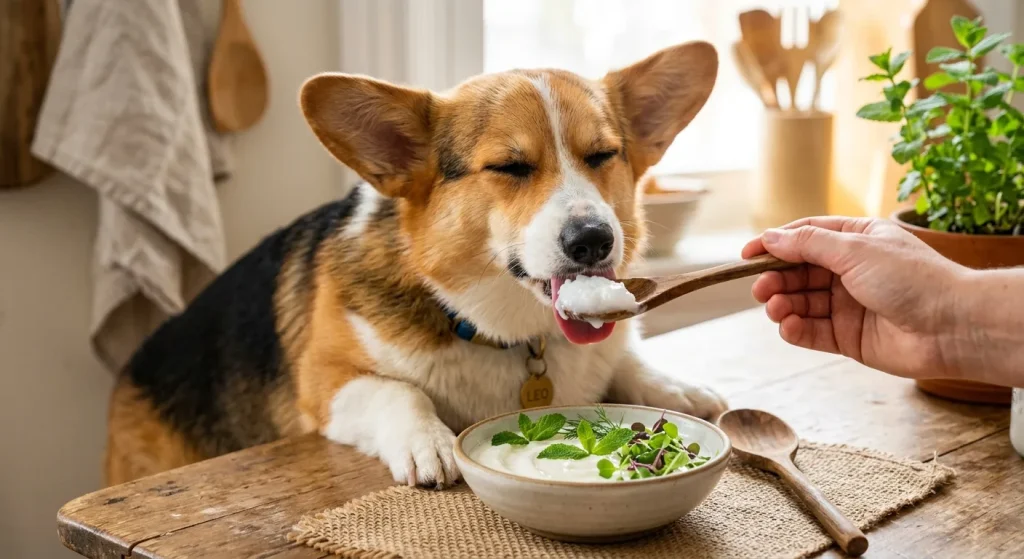
Yutou’s Favorite: If your dog is a picky eater, don’t worry. Coconut oil was actually my secret weapon with Yutou. He goes absolutely crazy for the taste, so I just let him lick a teaspoon of solidified organic coconut oil right off the spoon as a high-value reward. It completely eliminated his morning breath, and as a bonus for an aging Corgi, it keeps his coat looking incredibly shiny and healthy.
4. Fresh Herbs (Homemade Breath Freshener)
You can create a highly effective dog breath freshener homemade solution using fresh parsley or mint. Parsley is incredibly rich in chlorophyll, nature’s ultimate deodorizer, which helps neutralize bad smells instantly.
How to use: Finely chop fresh curly parsley or mint leaves and sprinkle them directly onto your dog’s food, or blend them with water and freeze them into refreshing ice cubes.
5. Crunchy Fruits and Vegetables
Sometimes the best bad breath treatment at home is mechanical cleaning. Crisp, dog-safe vegetables like raw carrots or celery act as nature’s toothbrushes. As your dog chews, the fibrous strands gently scrape away loose food particles and soft tartar accumulation from the surface of the teeth.
How to use: Offer raw, thick slices of carrots or celery sticks as a crunchy, teeth-cleaning snack between meals.
6. Decaffeinated Green Tea Extract
Green tea is packed with potent antioxidants called catechins, which possess remarkable antibacterial and anti-inflammatory properties. Using a pet-safe, completely decaffeinated green tea extract or a weak, cooled brew can significantly inhibit the growth of Porphyromonas gulae—the primary bacteria responsible for canine periodontal disease and foul mouth odors. It also helps soothe mild gum irritation naturally.
How to use: Add a few drops of alcohol-free, decaffeinated green tea extract to your dog’s water bowl, or use a tablespoon of cooled, weak, decaffeinated green tea to moisten their daily kibble.
Note: Always ensure it is 100% caffeine-free, as caffeine is toxic to dogs.
7. Dill or Coriander Seed Infusion
Dill and coriander are excellent natural breath fresheners due to their high concentration of essential oils that possess natural antibacterial properties.
How to use: Steep a teaspoon of dill or coriander seeds in hot water to create a mild tea. Once it cools down completely, pour a tablespoon or two over your dog’s dry food.
8. Organic Aloe Vera Juice (Inner Leaf Only)
Pure, organic aloe vera juice (specifically formulated for inner leaf use, with no aloin) is incredibly soothing to inflamed gums. It acts as a natural antiseptic that directly targets the bacteria causing gingivitis.
How to use: Mix a teaspoon of food-grade aloe vera juice into their water bowl or lightly mist it onto their gums using a small spray bottle.
9. Activated Charcoal (Pet-Safe Powder)
Activated charcoal is highly porous and acts like a microscopic sponge. It binds to toxins, gases, and volatile sulfur compounds in the mouth and stomach that are primarily responsible for foul breath odors.
How to use: Apply a pea-sized amount of the activated charcoal gel directly onto your pet’s teeth and gums using a toothbrush or your finger. Gently brush or massage in a circular motion. No rinsing is required. For best results, use 2-3 times a week, and avoid food or water for 30 minutes after application.
10. Echinacea Tea Cooldown
Echinacea is well-known for its immune-boosting capabilities, but it also has strong antimicrobial benefits. It helps your dog’s natural immune system fight off the microscopic oral infections that lead to plaque buildup and bad odors.
How to use: Brew a weak cup of echinacea tea, let it cool completely to room temperature, and use it to slightly dampen their kibble or add a splash to their water.
11. Raw Coconut Slices or Shreds
If your dog isn’t a fan of the oily texture of liquid coconut oil, raw unsweetened coconut shreds or dried organic coconut chunks offer the exact same lauric acid benefits with an added bonus: texture.
How to use: Give a small piece of dried coconut as a healthy training treat. The chewy, fibrous texture adds a bit of mechanical scrubbing action against plaque while releasing bacteria-fighting properties.
Warning: When searching for a dog bad breath home remedy, baking soda frequently pops up. While sodium bicarbonate is excellent for absorbing odors, it should be used with extreme caution. If swallowed in significant quantities, baking soda can seriously upset your dog’s electrolyte balance and stomach. Never use it to brush your dog’s teeth; stick to veterinary-formulated enzymatic toothpaste instead.
How to Prevent Smelly Dog Breath Long-Term
If you are wondering, “How do I stop my dog from having smelly breath permanently?” the secret lies in a proactive preventative routine.
1. Adiust your dog’s diet
Switch your dog to a high-quality diet and consider adding veterinarian-approved dental chews or raw bones (if recommended by your vet). The chewing action helps naturally clean and reduce plaque on the teeth. Avoid giving too many soft, wet treats that easily stick to the gum line.
2. Daily Brushing
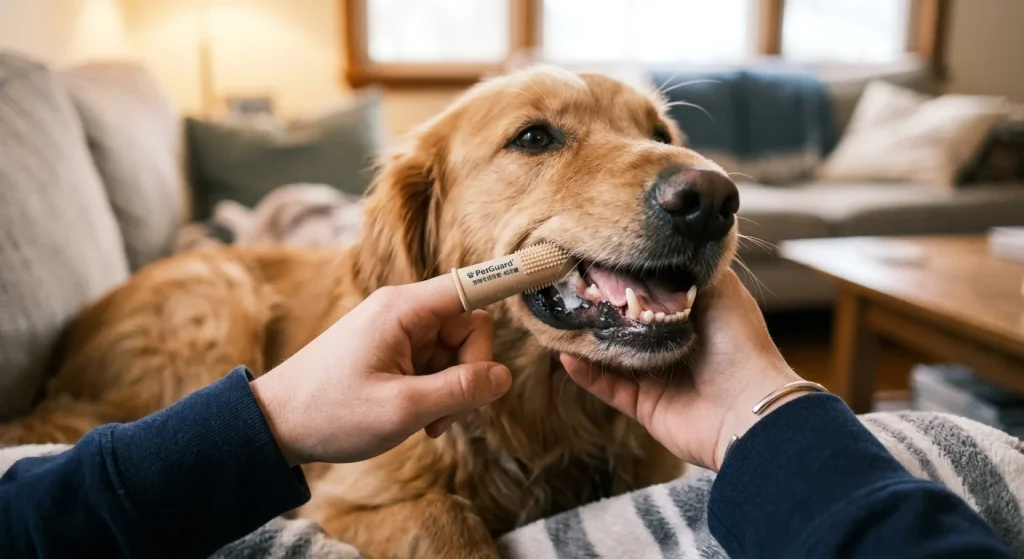
No at-home method is more effective than regular tooth brushing. Use a finger brush and dog-specific toothpaste once a day to break up the bacterial biofilm before it hardens into permanent tartar.
3. Provide Safe Chew Toys
Durable rubber toys designed with ridges help massage gums and clean teeth during playtime.
Note: If you notice your pet scratching their ears while dealing with bad breath, it’s worth checking for systemic allergies. Similar to how chronic allergies cause overlapping issues—prompting owners to seek out dog ear infection treatment home remedies—a holistic approach targeting the diet can heal both the ears and oral microbiome simultaneously.
What Do Vets Recommend for Dogs with Bad Breath?
When home remedies aren’t enough, professional intervention is necessary. What do vets recommend for dogs with bad breath? They advise a professional veterinary dental cleaning (prophylaxis).
During this procedure, your dog is safely placed under anesthesia so the vet can scale away calculus above and below the gumline, polish the enamel, take dental X-rays, and extract any painfully loose or abscessed teeth that are rotting from the inside out.
FAQs
How long do natural remedies take to fix a dog’s bad breath?
For mild cases caused by gut health or minor plaque, you can see improvements in 1 to 2 weeks using remedies like probiotics or coconut oil. However, if the bad breath stems from hardened tartar or periodontal disease, natural remedies will not work, and a veterinary cleaning is required.
How to fix fishy dog breath?
If you need to know how to fix fishy dog breath, you must look at the opposite end of the dog. A sudden fishy smell usually indicates full or impacted anal glands. Dogs lick these irritated glands, transferring the strong, fishy fluid to their mouths. To fix it, visit a groomer or veterinarian to have your dog’s anal glands safely expressed. If the smell persists, it may indicate severe periodontal disease requiring a professional dental exam.
Is a sudden sweet or fruity breath odor in dogs dangerous?
Yes, a sweet or fruity smell is a classic warning sign of canine diabetes. It indicates that ketones are building up in your dog’s bloodstream. If your dog’s breath changes to a fruity or urine-like odor, skip the home remedies and schedule an immediate veterinary evaluation.
Conclusion
While budget-friendly natural remedies are great preventative tools, they cannot cure advanced periodontal disease or systemic illnesses. Because bad breath reflects your dog’s overall health, switch to a professional veterinary exam if the foul odor stubbornly persists despite home hygiene efforts.
-
Sale!
Fragrant shampoo for dogs and cats with dry skin featuring a foaming stain remover
Original price was: $7.29.$6.29Current price is: $6.29. Add to cart -
Sale!
-1-300x300.webp)
clean food residues and dog cat blackheads non-irritating wipes
Original price was: $11.89.$9.99Current price is: $9.99. Add to cart -
Sale!
Disposable hand wipes for pet cleaning paws and body fur no irritation
Original price was: $8.98.$4.49Current price is: $4.49. Add to cart