
Cats are incredibly good at hiding discomfort. Even when they’re feeling unwell, they rarely show obvious signs until the problem has already progressed. That’s why paying attention to your cat’s everyday habits and appearance is one of the best ways to spot health issues early.
I’ll walk you through the common signs of a healthy cat, what changes you shouldn’t ignore, and how simple daily observations can help you catch problems before they become serious.
1. How Can You Tell If Your Cat Is Healthy?
The Most Common Signs of a Healthy Cat
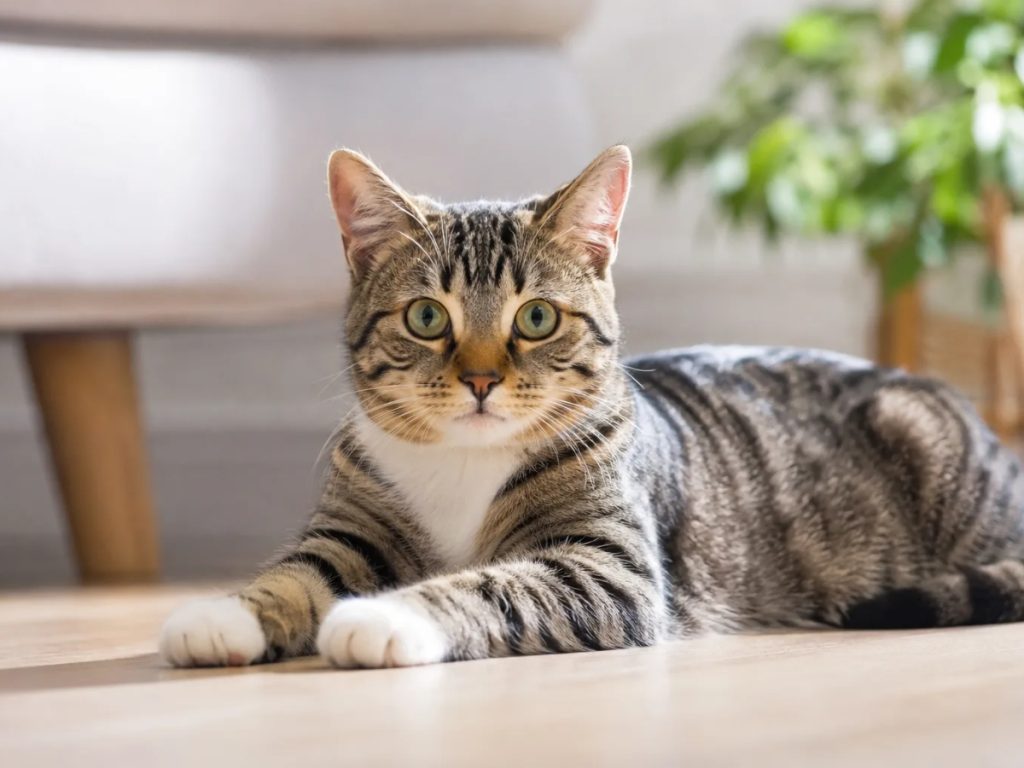
A healthy cat usually has these characteristics:
A smooth, shiny coat without broken or patchy fur
Clean nostrils with a slightly moist nose
Bright, clear eyes
A healthy appetite and normal litter box habits
A well-proportioned body with good energy levels
Light pink gums that are moist, glossy, and free of swelling, bleeding, or ulcers
What signs might indicate that a cat is unwell?
Some changes should never be ignored, including:
① Diarrhea
Occasional digestive upset can happen, but ongoing diarrhea—especially in kittens or unvaccinated cats—may indicate illness.
② Vomiting
Cats naturally vomit hairballs from time to time, and that’s usually nothing to worry about if they return to eating and acting normally afterward. However, repeated vomiting combined with low energy or loss of appetite deserves veterinary attention.
③ Frequent Trips to the Litter Box
Repeated attempts to urinate, especially in male cats, may be a sign of a urinary tract infection or urinary blockage, whether urine is produced or not.
④ Head Shaking or Ear Scratching
These behaviors often point to ear problems such as ear mites or ear infections.
⑤ Excessive Drooling
Mouth ulcers, tongue sores, or gum disease can all cause drooling. In the early stages, you may notice the fur around the mouth becoming damp or stained. Severe cases can even make eating uncomfortable.
⑥ Sneezing or Watery Eyes
Sneezing and excessive tearing are common signs of upper respiratory infections. More serious cases may also involve thick yellow eye discharge or nasal mucus.
⑦ Constant Scratching
If your cat keeps scratching their skin, they could have fleas, mange, fungal skin infections, or other skin conditions.
If your cat develops any of these symptoms, don’t wait too long. It’s always best to have them examined by your veterinarian so treatment can begin as early as possible.
2. What Does a Healthy and Happy Cat Look Like?
What Does a Healthy Cat Look Like?
A healthy cat generally has:
Bright, clear eyes with only a small amount of normal eye discharge and no visible third eyelid
A slightly moist nose (except while sleeping or just waking up), with clean nostrils and no nasal discharge
Clean, upright ears with light pink skin, no dark debris, and no excessive scratching or head shaking
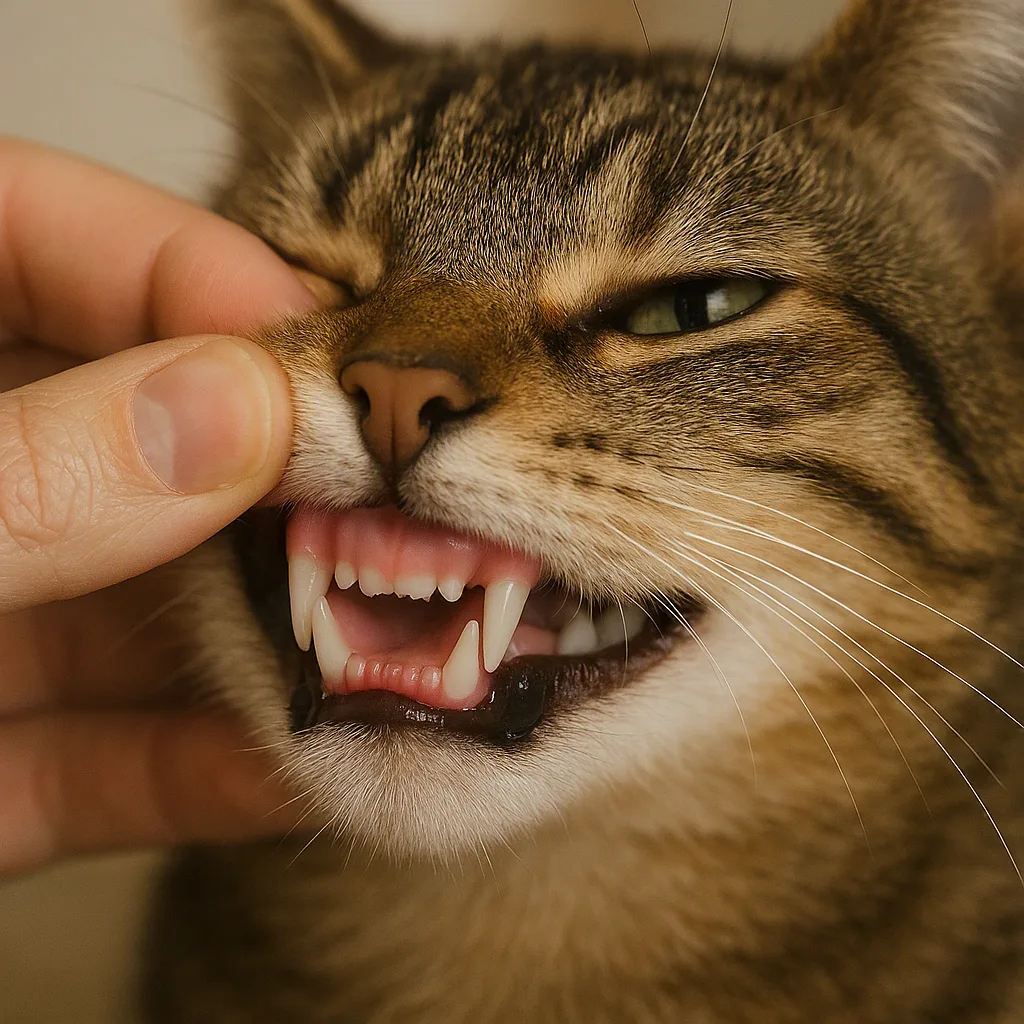
Clean white teeth with little or no tartar and healthy pink gums without swelling or bleeding
Keeping your cat’s ears clean as part of their regular grooming routine can also help prevent ear problems.
Does Purring and Slow Blinking Mean Your Cat Is Happy?
Yes. Healthy, content cats usually move gracefully and confidently. They often purr when they’re relaxed and spend plenty of time grooming themselves to keep their coat clean.
Creating a calm and comfortable environment can also support a cat’s overall well-being. Along with regular care, playtime, and positive interaction, some pet owners choose to incorporate pet crystals into their pet’s living space as part of a calming and bonding routine.
My Cat’s Favorite Ways of Showing Happiness
My cat has a few little habits that instantly tell me she’s happy. After meals, she’ll come over to rub against my legs like she’s saying, “That was delicious.”
She’ll give me those slow, sleepy blinks, jump onto the couch to curl up beside me, and purr while I pet her. Wherever I go around the house, she usually follows. On weekends, she loves stretching out beside me in a sunny spot. Moments like these always remind me how comfortable and relaxed she feels.
3. Key Areas to Check When Monitoring Your Cat’s Health
Cat’s fur
A healthy coat should have these characteristics:
Smooth, shiny fur without excessive shedding or broken hair
No fleas, ticks, or other parasites
No bald patches
No dandruff or black debris around the hair roots
Weight for a Cat
There’s no single “ideal” weight because it depends on your cat’s breed, body size, and age.
The easiest way to monitor your cat’s health is to weigh them regularly. If you’re just starting, weigh your cat once every week or two. Once their weight remains stable, you can check less frequently. If your cat develops a health issue, increase the monitoring as needed.
Cat Gums
Whenever I brush my cat’s teeth or use dental finger wipes after meals, I always take a quick look at her gums too.
Healthy gums should be an even light pink color. They should look moist and smooth without redness, bleeding, or ulcers.
If the gums become bright red, unusually pale, or are accompanied by bad breath, drooling, or difficulty eating, it’s a good idea to schedule a veterinary checkup.
4. How Can You Help Your Cat Stay Healthy for Years?
Why Are Regular Veterinary Checkups So Important?
Routine wellness exams are one of the easiest ways to keep your cat healthy throughout every stage of life.
Preventive care guidelines from the AAHA and AVMA recommend that healthy cats receive a veterinary examination at least once a year. Senior cats often benefit from checkups every six months.
From kittenhood to old age, even minor issues like constipation or a simple cold can sometimes develop into more serious health problems if they’re overlooked.
Simple At-Home Health Checks Every Cat Owner Should Do
① Keep Vaccinations Up to Date
Create a simple vaccination record so you always know which vaccines your cat has received and when the next ones are due.
② Watch How Your Cat Moves
Pay attention to how your cat walks, jumps, climbs, and plays. Any noticeable change in movement could signal discomfort or injury.
③ Observe Their Daily Behavior
Notice whether your cat is as curious, playful, energetic, and interested in food as usual. Small behavior changes are often the first sign that something isn’t right.
④ Track Their Weight
Keeping a monthly weight record can help you spot unexpected weight gain or loss. Sudden changes should always be discussed with your veterinarian.
⑤ Check Their Coat Regularly
A dull, dry, or messy-looking coat may suggest nutritional deficiencies or underlying health problems that deserve further evaluation.
⑥ Examine the Eyes, Ears, Nose, and Mouth
Look for redness, swelling, unusual discharge, unpleasant odors, or signs of injury so problems can be treated early.
⑦ Monitor Urine and Stool
Pay attention to how often your cat urinates and defecates, as well as the appearance of their urine and stool. Loose stools, blood, constipation, or difficulty using the litter box are all reasons to schedule a veterinary visit.
5. Frequently Asked Questions About Cat Health
How Do I Know If My Cat Is Healthy?
Here are a few things I regularly check:
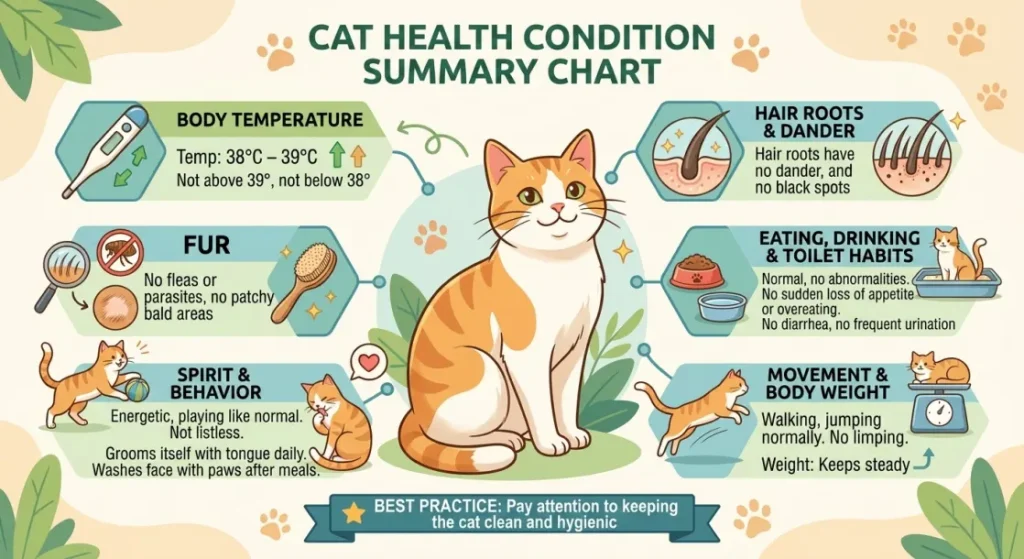
Body temperature: Between 38°C and 39°C (100.4°F–102.2°F)
Coat: No fleas, bald patches, dandruff, or black debris
Eating and litter box habits: Normal appetite, normal urination and bowel movements, no sudden changes
Energy: Active, playful, curious, and grooming themselves regularly
Movement: Walking, running, and jumping normally without limping
Weight: Stable over time
Keeping your cat clean and maintaining a regular grooming routine also helps you notice health changes much earlier.
What Is the 3-3-3 Rule for Cats?
Many cat owners use the 3-3-3 Rule when bringing a new cat home.
The first 3 days are usually spent adjusting to the unfamiliar environment, so hiding or eating less is perfectly normal.
During the first 3 weeks, cats slowly become familiar with the smells, routines, and people in their new home.
After about 3 months, most cats finally feel completely settled and start acting like the house truly belongs to them.
When I first brought my cat home, she hid under the bed for almost two days before she finally felt confident enough to come out and explore.
What Meat Should You Never Feed Your Cat?
Raw pork and other untreated raw meats are best avoided because they may contain harmful bacteria or parasites.
Processed meats like ham, bacon, and cured pork are also poor choices since they’re usually high in salt, fat, and preservatives that aren’t healthy for cats.
-
Sale!
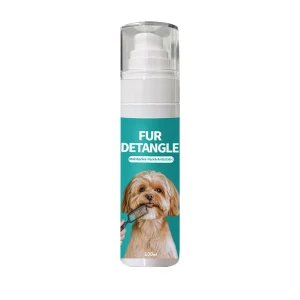
Multipurpose pet hair cleansing spray anti-static for detangling knots
Original price was: $7.98.$3.99Current price is: $3.99. Add to cart -
Sale!

Premium Pet Glove Wipes – Hypoallergenic Aloe for All Animals
Original price was: $3.29.$1.99Current price is: $1.99. Add to cart -
Sale!

Pet Deodorizing Spray 150ml – best Natural Dog Cat Odor Remover
Original price was: $5.29.$4.99Current price is: $4.99. Read more