
To eliminate dog odor naturally, combine direct dog care with home surface cleaning. Between baths, use baking soda or cornstarch as a dry shampoo. Remove carpet and furniture odors using baking soda and enzymatic cleaners. Address underlying health issues—such as yeast skin infections, ear infections, or periodontal disease—through regular grooming and veterinary checkups.
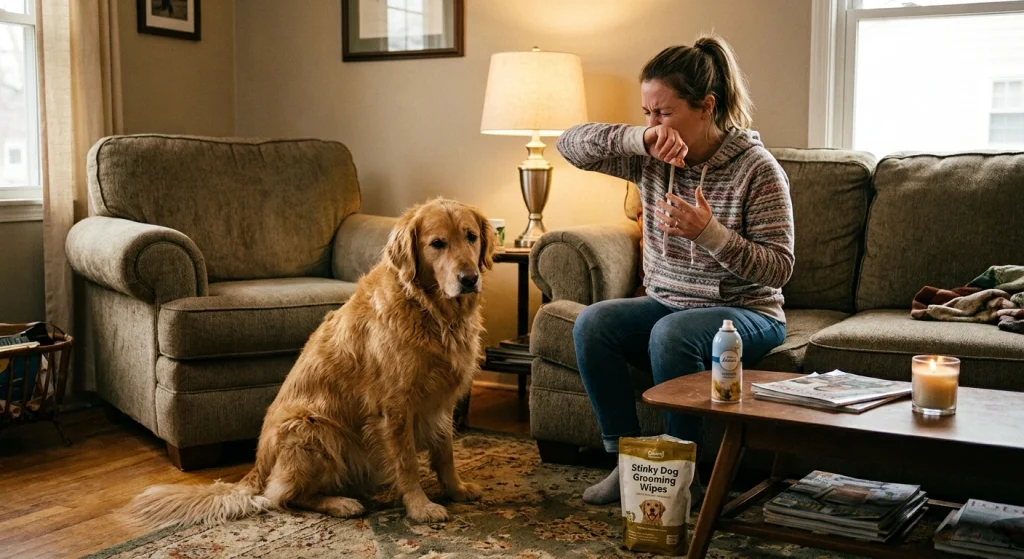
When facing a situation where “my dog stinks no matter what I do,” simply masking the odor with artificial fragrances usually treats the symptoms rather than the cause. To completely eliminate dog smell, you must first identify the underlying physiological and grooming-related odor sources.
Skin is a dog’s largest organ, and abnormal conditions in the coat and sebaceous glands are often the primary culprits behind unpleasant odors:
When the skin barrier is compromised or allergies cause intense itching, yeast can multiply rapidly.
This condition is typically accompanied by a musty smell similar to fermenting bread or mold.
Breeds with prominent facial or body wrinkles—like Bulldogs and Pugs—easily trap sebum, sweat, and moisture inside their skin folds.
Without daily wiping, these hidden folds quickly become a breeding ground for foul odors.
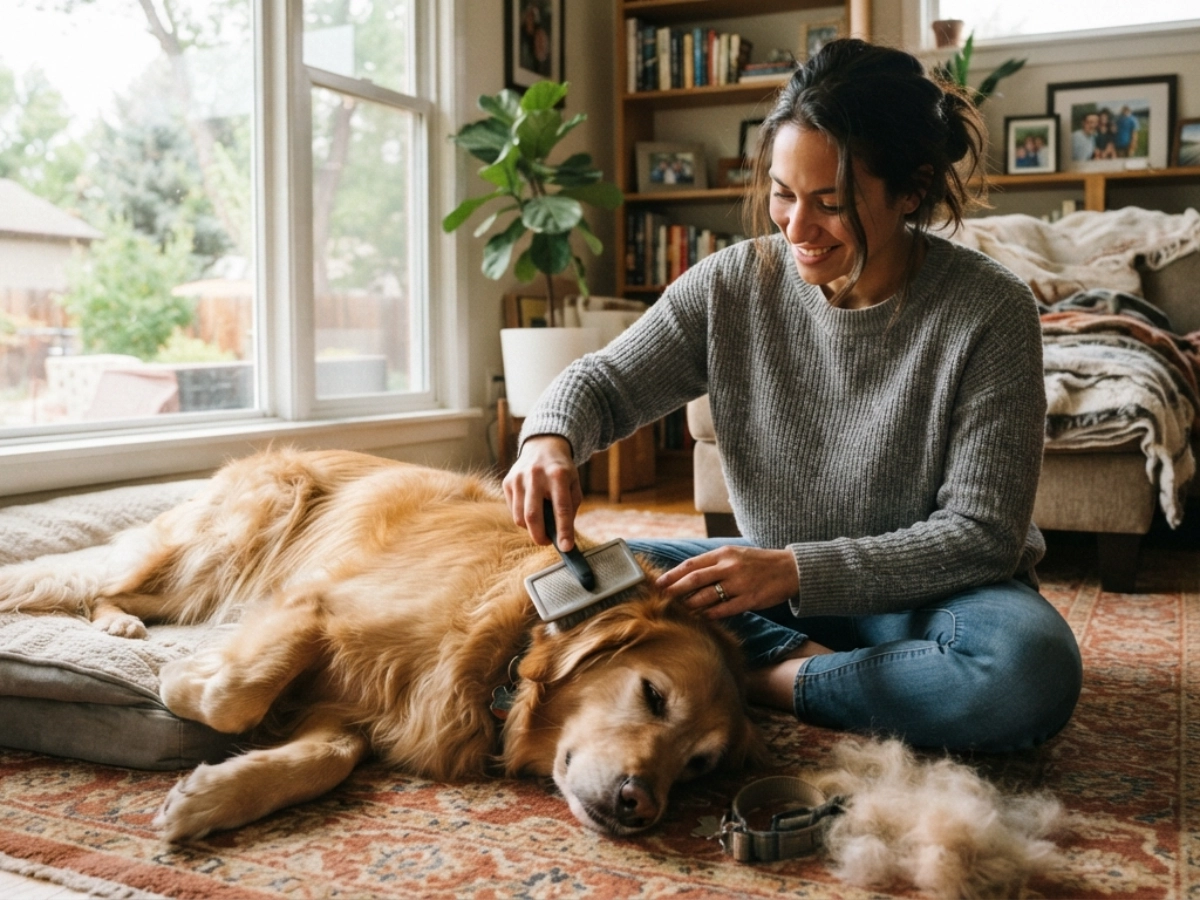
Loose, unshed fur that isn’t brushed out mixes with dander and natural skin oils.
This build-up traps environmental odors and prevents proper air circulation through the coat, causing a stubborn, lingering stink.
Odors in the head area are usually concentrated inside the ear canals and oral cavity:
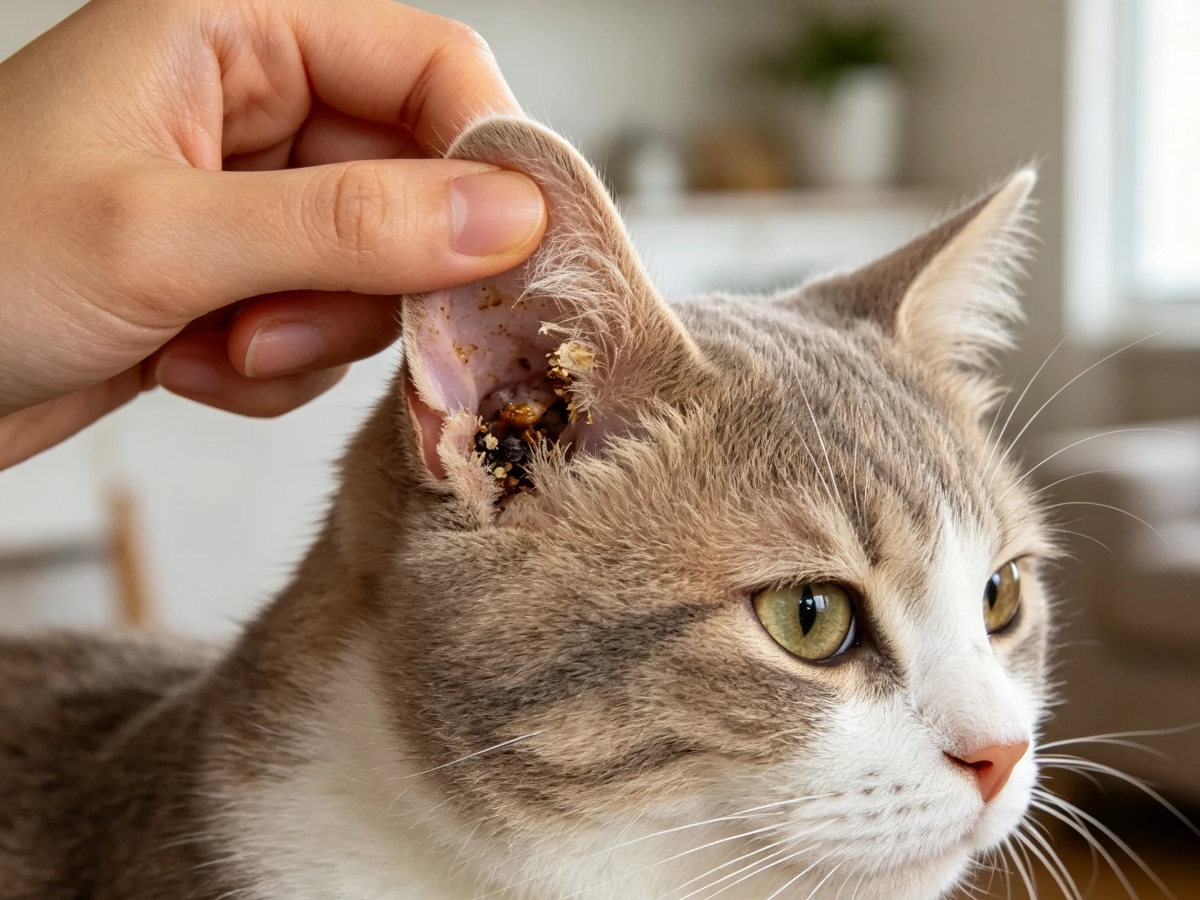
Excessive earwax, moisture, or bacteria accumulating in the ear canal can emit a sour, persistent odor.
Common warning signs include frequent head shaking, pawing at the ears, or dark discharge inside the ear canal.
Long-term accumulation of plaque and tartar leads to deteriorating oral hygiene, causing severe bad breath (halitosis).
When your dog licks their fur, this oral odor gets transferred all over their coat
According to statistics from the AVMA (American Veterinary Medical Association), over 80% of dogs over 3 years old suffer from some form of periodontal disease, which is often the primary cause of daily bad breath and mouth odors.
Issues in the hindquarters and gastrointestinal system usually produce the most pungent, specific smells:
The anal glands located on both sides of a dog’s rectum secrete a fluid with a strong, distinct scent marker.
If the glands fail to express properly or become impacted, they emit a distinct, overpowering fishy smell.
Dogs often attempt to relieve this discomfort by dragging their bottoms across the floor (scooting).
Long-haired breeds frequently end up with small amounts of waste residue stuck to the fur on their hind legs.
Poor digestion, food intolerances, or switching food too quickly can increase gastrointestinal gas, leading to frequent flatulence and bloating.
If your pup is sporting a stubborn “doggy odor” that won’t go away, don’t rush them straight to the bathtub just yet. As a long-time dog owner, here is my golden rule: over-bathing strips your dog’s skin of its natural protective oils, which actually triggers the sebaceous glands to produce even more oil, creating a vicious cycle.
To effectively tackle dog odor, we need a balanced approach combining waterless natural hacks, proper bathing routines, and targeted spot cleaning.
Between routine baths—or on rainy days when getting wet isn’t ideal—these two DIY natural home remedies can quickly refresh your dog’s coat:
Formula & How It Works: Mix baking soda and cornstarch in a 1:1 ratio. Baking soda neutralizes acidic odors, while cornstarch rapidly absorbs excess oil and moisture at the root of the fur.
How to Apply: Evenly sprinkle the mixed powder over your dog’s coat, gently massage it down to the roots, and let it sit for 3–5 minutes to absorb grease and smells. Finish by thoroughly brushing out all remaining powder.
Blogger Tip: This is my go-to “emergency freshener.” It works wonders on oily, smelly areas like paws, armpits, and the back.
Formula & How It Works: Mix raw, unfiltered organic apple cider vinegar with warm water at a 1:1 ratio in a spray bottle. The mild acidity helps rebalance your dog’s skin pH, keeping surface odor under control and soothing minor itching.
How to Apply: Lightly mist over the outer layer of fur (avoiding the eyes, nose, and open wounds), massage it in evenly, and let it air dry. The vinegar smell dissipates in a few minutes, leaving behind a clean, fresh coat.
When your dog truly needs a bath, it’s not just about washing off dirt—it’s a crucial step in treating smelly skin
Opt for a natural deodorizing shampoo containing oatmeal and aloe vera.
Oatmeal soothes sensitive, inflamed skin, while aloe vera provides deep moisture to prevent post-wash dryness
Step 1: Thoroughly Rinse Out Shampoo
Pitfall Warning: Many dog parents focus on lathering up but rush through the rinse. Leftover shampoo creates a film on the skin, clogging pores, causing itchiness, and smelling even worse once dry.
Pro Technique: Spend at least twice as much time rinsing as you did lathering, ensuring the water runs 100% clear with zero bubbles.
Step 2: Dry Fur Completely
Pitfall Warning: Letting your dog “air dry” is the single biggest cause of that persistent “wet dog smell”. A damp, warm undercoat becomes a prime breeding ground for funky odors.
Pro Technique: Towel dry thoroughly with an absorbent towel first, then use a hairdryer (or high-velocity pet dryer) to completely dry the undercoat until it feels bone-dry to the touch.
Pungent dog smells often stem from neglected specific spots that need targeted maintenance:
Ear Care: Use a dedicated pet ear cleaner weekly—squeeze into the canal, gently massage the base of the ear, let your dog shake it out, and wipe clean with a cotton ball. You can also use pet ear wipes for daily maintenance.
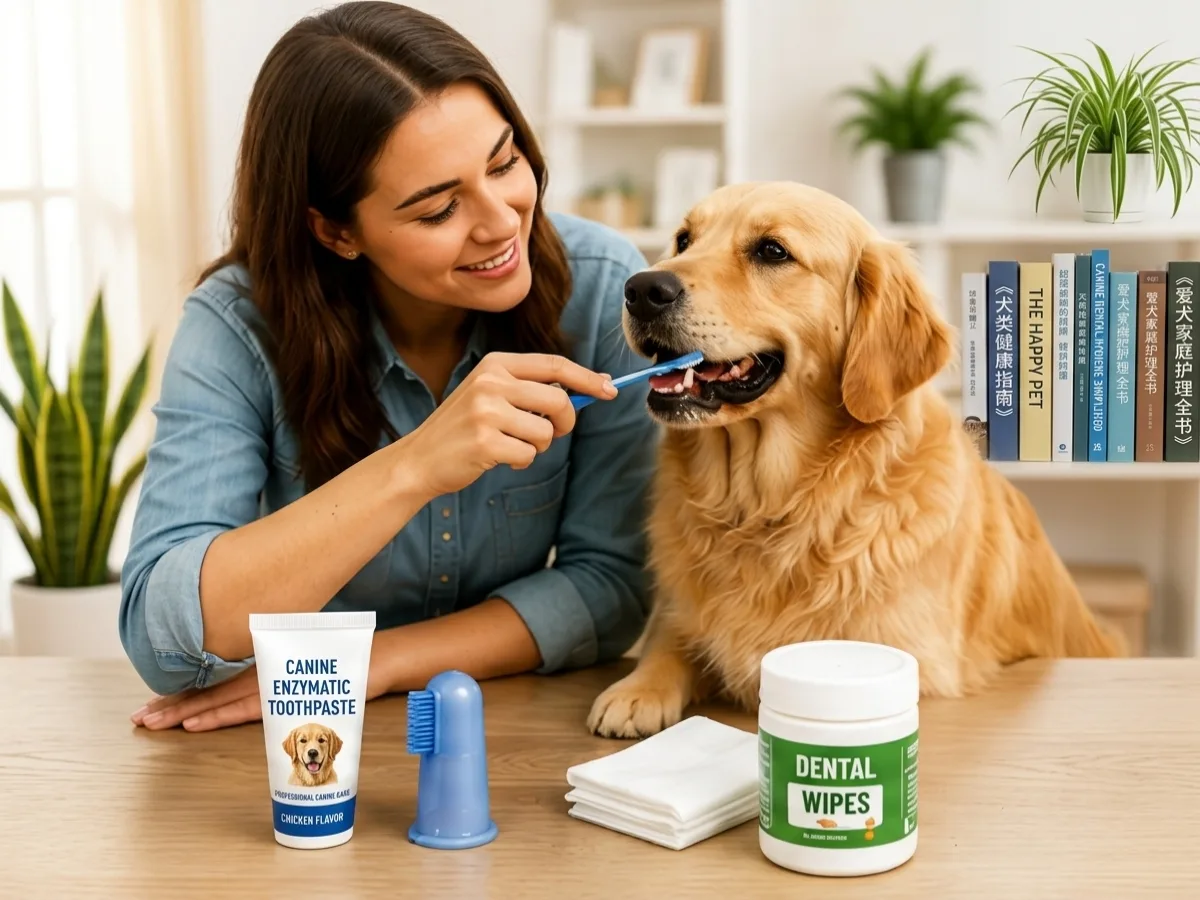
Oral Hygiene: Stick to regular brushing with pet-safe toothpaste, paired with dental chews or dental gels to effectively reduce plaque build-up and keep breath fresh.
Emergency Deodorizing Spray: After outdoor play or doggy playdates, spritz a non-toxic, alcohol-free pet cologne or deodorizing spray to instantly neutralize environmental odors trapped on the surface fur
| Frequency | Core Task | Tools / Ingredients | Purpose |
| Daily | Brush Coat | Pet Brush | Remove dead fur & dander |
| Weekly | Inspect Ears & Teeth | Ear Cleaner, Pet Toothpaste | Prevent ear infections & bad breath |
| Bi-weekly | Wash Pet Bedding in Hot Water | Washing Machine (Hot Water Cycle) | Eliminate built-up dog odor in fabrics |
| Monthly | Natural Bath Routine | Oatmeal Deodorizing Shampoo | Deep clean skin & coat |
| Routine | Vet Checkups | Professional Vet Exam | Rule out internal medical issues & anal gland blockage |
Even when your dog is washed and smelling great, a lingering “dog smell” can still hang over your home. That’s because shed dander, body oils, and tiny pet accidents seep deep into carpets, sofas, flooring, and pet supplies.
To restore true freshness to your living space, you need a deep deodorizing routine covering fabrics, hard surfaces, and indoor air.
Soft fabrics like carpets, area rugs, cloth couches, and dog beds trap odors faster than anything else.
Target Areas: Carpets, rugs, fabric couches, and throw pillows.
How-To Steps:
Sprinkle baking soda generously over carpet and sofa surfaces.
Let it sit for at least 30 minutes (or overnight for tough odors) to neutralize acidic smells and trapped oils deep within fabric fibers.
Use a high-suction vacuum cleaner to thoroughly vacuum up all powder, dander, and trapped debris.
Your dog’s bed is Ground Zero for household odors.
Buying Tip: Always choose pet beds with removable, machine-washable covers.
Washing Guide: Strip and wash the cover weekly on a hot water cycle to dissolve body oils, eliminate stink, and kill hidden dust mites and bacteria
Hardwood floors accumulate saliva, paw oils, and occasional accident residue, while overlooked pet accessories can become hidden stink bombs.
How-To: After sweeping up loose fur, add 1/2 cup of diluted white vinegar to your mop bucket.
Why It Works: White vinegar acts as a natural cleaner and neutralizer that cuts through grease and surface odors without damaging sealants. The vinegar scent dissipates completely as it dries.
How-To: Spray a dedicated enzymatic cleaner on spots affected by urine, vomit, or accidents.
Why It Works: Standard household cleaners only mask scent temporarily. Enzymatic formulas break down organic proteins and urea molecules at the molecular level, neutralizing odors at the source so your dog doesn’t repeat-mark the same spot.
With natural pet care on the rise, many owners are exploring herbal solutions from traditional cultures. In particular, Indian Ayurvedic home remedies for smelly dogs have gained popularity for their gentle, natural approach to skin and coat conditioning.
Neem Oil: Known as India’s “natural pharmacy,” neem oil features powerful antibacterial and bug-repelling properties. It helps soothe smelly skin caused by microbial imbalances while repelling fleas and mosquitoes. How to use: Mix with coconut oil at a 1:10 ratio or add 2–3 drops into your dog’s regular shampoo.
Diluted Turmeric: Turmeric’s active compound, curcumin, offers natural anti-inflammatory benefits to relieve skin redness and yeast-related odors in damp folds. How to use: Make a thin paste with warm water or coconut oil, apply to skin folds (like armpits/paws), let sit for 10 minutes, then wipe clean completely. (Blogger Note: Turmeric stains light fur yellow, so use with caution on white or light-coated dogs!)
Coconut Oil Massage: Virgin coconut oil is rich in lauric acid, deep-moisturizing dry skin and reducing dander to stop odor at its root. How to use: Rub a small amount between your palms and gently massage into your dog’s skin and coat. Let sit for 15–20 minutes before washing out with a mild pet shampoo.
As a veteran dog blogger, I must emphasize: “Natural” does not mean “100% safe.”
Beware of Natural Plant Toxicity: A dog’s liver metabolism is vastly different from ours; many plants safe for humans can be toxic to dogs.
Never Use Undiluted Pure Essential Oils: Concentrated oils like tea tree or oregano can cause severe skin burns or allergic reactions if applied directly. Because dogs lick their coats, ingesting pure essential oils can cause drooling, vomiting, or neurological toxicity.
Always Do a Patch Test: Before trying any new remedy, test a small amount on a hairless spot on your dog’s belly. Observe for 24 hours to ensure there’s no redness, swelling, or itching before full application.
A persistent wet dog smell is usually caused by moisture trapped in the dense undercoat, yeast skin infections, or natural skin oils being broken down by surface bacteria. Always dry your dog thoroughly after baths or rain, and use a diluted apple cider vinegar spray to help balance skin microbes.
You can easily freshen your dog without a full bath. Use a DIY dry shampoo made from baking soda and cornstarch, wipe down their paws and fur with apple cider vinegar wipes/spray, and brush their coat daily to remove trapped dander and dirt.
The best natural approach for smelly dog skin includes bathing with an oatmeal and aloe vera shampoo, applying localized neem oil or coconut oil treatments for antifungal support, and adding Omega-3 fatty acids to their diet to boost overall skin health.
To quickly eliminate household dog odor, sprinkle baking soda over carpets and couch cushions, let sit for 30 minutes, and vacuum thoroughly. Mop hard floors with a diluted white vinegar solution, and treat pet accident spots with an enzymatic cleaner to break down organic odors at the source.