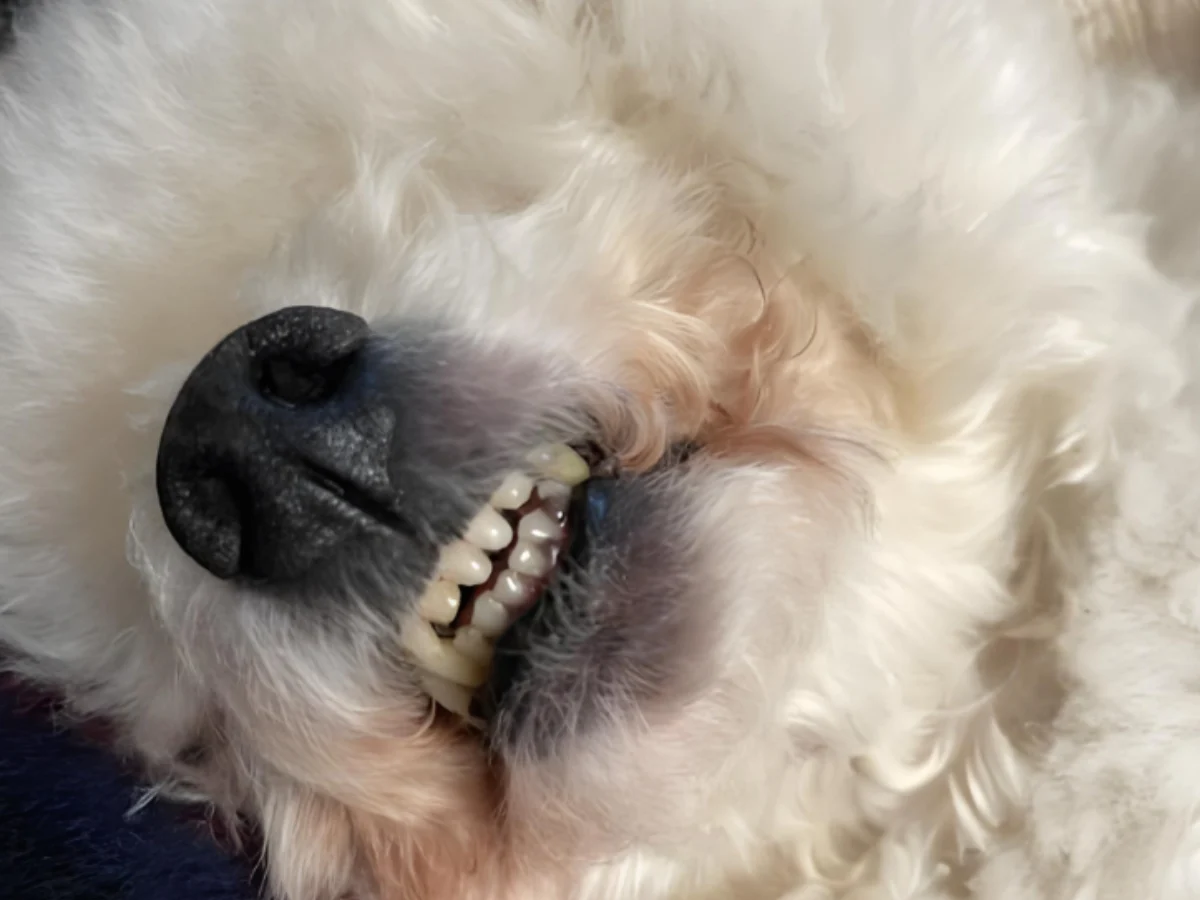

When dogs have bad breath or dental tartar, many pet owners consider using an ultrasonic tooth scaler. But is ultrasonic dog teeth cleaning truly effective and safe ? What are the differences between home-use and veterinary-grade devices? How can beginners operate them safely? This article thoroughly covers effectiveness, costs, and key tips to avoid mistakes—helping you choose the right method so you don’t end up harming your dog’s teeth while spending money. Please note that this content is for educational purposes only and cannot replace professional veterinary diagnosis. If your dog shows serious oral issues such as swollen or bleeding gums, persistent bad breath, or loose teeth, consult a veterinarian immediately and follow their advice.
1. Is ultrasonic teeth cleaning really effective for dogs?
1.1 Can ultrasonic cleaning actually remove dental tartar from dogs?
It can be used to clean tartar.
How ultrasonic cleaning works:
① High-frequency vibrations create cavitation, generating tiny bubbles in the water stream. When these bubbles collapse, they release energy that loosens tartar.
② Mechanical vibration shatters tartar; the vibrational energy directly acts on hard tartar deposits, breaking them apart and separating them from the tooth surface with minimal damage to healthy enamel.
③ Water flow simultaneously flushes away debris; the cooling mist sprayed by the cleaning tip removes broken tartar particles promptly while cooling the instrument head to protect the pulp.
④ Ultrasonic waves primarily target calcified tartar and stains, enabling selective removal. They are relatively gentle on soft tissues such as gums, allowing precise cleaning.
1.2 How safe is using an ultrasonic scaler on dogs?
The safety of using an ultrasonic scaler on dogs cannot be generalized. If a veterinarian uses professional veterinary dental ultrasound equipment in a clinical setting, it is generally considered a standard cleaning tool. However, if it’s a home-use ultrasonic scaler, it should only serve as supplementary care and cannot replace professional dental cleaning under anesthesia performed by a vet. It also cannot remove plaque beneath the gumline. For dogs with inflamed gums, severe tartar buildup, noticeable bad breath, or underlying health conditions, self-administered use is unsafe—consultation with a veterinarian is recommended first.
The American Veterinary Dental College and veterinary hospital systems recommend that routine dog dental care should focus on daily brushing and professional cleanings under anesthesia. Home ultrasonic scalers are merely auxiliary tools, unable to effectively remove subgingival plaque and therefore cannot substitute for proper veterinary dental treatment.
1.3 What are the drawbacks of using ultrasonic dental products?
① Incomplete cleaning: Home devices typically fail to reach plaque below the gumline or within periodontal pockets, increasing the risk of periodontal disease.
② Potential for injury: Improper angle, pressure, or power settings may irritate the gums, scratch the tooth surface, or even make teeth rougher.
② Risk of infection: Bleeding during use combined with inadequate sterilization of the device may lead to cross-infection or bacteremia.
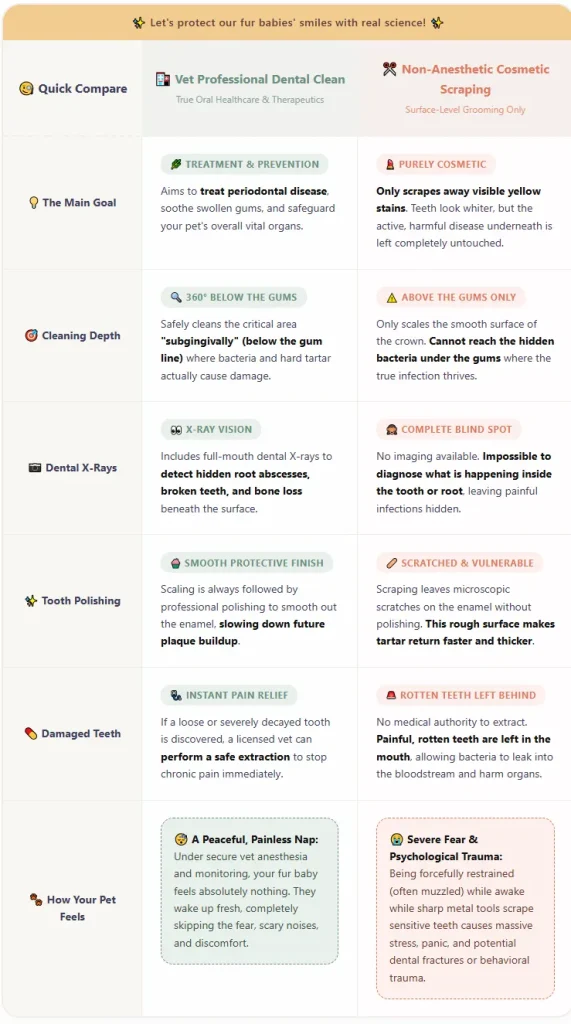
④ Cannot replace veterinary dental cleaning: Professional cleaning often requires general anesthesia, subgingival scaling, and polishing—functions that home ultrasonic devices cannot fully perform.
• Distinguish between the two service models:
full anesthesia dental cleaning at veterinary hospitals and non-anesthetic ultrasonic teeth cleaning at pet stores. Non-anesthetic teeth cleaning at pet stores only provides surface-level cleaning; if a dog has severe tartar buildup or inflamed gums, superficial cleaning may actually accelerate tartar recurrence. To effectively treat periodontal issues and identify potential dental problems, it’s best to opt for full anesthesia dental cleaning at a veterinary hospital.
2. Ultrasonic Dental Cleaning: Real Reviews and Costs
2.1 Actual Cleaning Effectiveness of Ultrasonic Teeth Cleaning for Dogs
One of the most common concerns among pet owners is whether ultrasonic cleaning can effectively clean their dog’s teeth. Ultrasonic dental scaling clearly removes plaque and tartar from the surface of a dog’s teeth, especially when performed under veterinary anesthesia in combination with subgingival cleaning and polishing, significantly improving overall oral health. However, home-use ultrasonic dental devices are generally only suitable as supplementary care tools and cannot replace professional dental cleaning.
Based on my experience, if your dog has relatively healthy teeth but occasionally suffers from bad breath or minor tartar buildup, a home ultrasonic tooth scaler can still be a valuable tool for daily maintenance. However, if your dog already shows obvious signs such as yellowish-brown tartar, red and swollen gums, persistent bad breath, or loose teeth, it’s best to take them to the vet as soon as possible for a professional examination and dental cleaning.
2.2 How much does a dog ultrasonic teeth cleaning cost?
| Item | North America Price Reference | Notes |
| Average national cost for dental cleaning (including anesthesia & ultrasonic teeth cleaning) | $388 | Standard dental cleaning performed by veterinarians |
| Common price range for dental cleaning | $307 – $702 | Prices vary by region, clinic and your pet’s condition |
| Ultrasonic teeth cleaning for dogs (routine cleaning with anesthesia) | Approximately $350 – $500 | |
| Advanced dental treatment (including tooth extraction & complex periodontal care) | Approximately $1,500 and above |
Data sources: CareCredit official website data, PetMD data
3. Home Use of Ultrasonic Dog Dental Cleaner: A Step-by-Step Guide
3.1 Correct Operating Procedures for Home Ultrasonic Teeth Cleaning
Here’s a detailed guide on how to properly use an ultrasonic dental cleaner for dogs—perfect for beginners, just follow these steps:
① First, remove large food particles from between the teeth using a toothbrush and dental floss. If the teeth are visibly dirty, it’s hard to identify which areas need special attention.
② Always start at the lowest power setting! Turn on the water flow before touching the teeth. Using high power right away can easily cause gum bleeding.
③ Don’t press the probe straight into the teeth or apply excessive force. Hold it at a 15°–20° angle and gently glide along the tooth surface.
④ Move slowly and steadily—don’t linger in one spot or scrub aggressively back and forth. Focus especially on hard-to-reach areas such as tartar buildup, the edges of the gums, and the inner surfaces of back teeth.
⑤ Clean in sections gradually. Avoid spending too much time on any single area. After cleaning, rinse your dog’s mouth with plain water. If your dog shows discomfort, you may use a mild pet-safe mouthwash to soothe the gums.
⑥ After use, thoroughly rinse the probe with water, dry it completely, and disinfect it according to the manufacturer’s instructions. Residual debris can harbor bacteria, potentially harming your dog’s teeth during future use.
Safety Tips: Only clean visible, soft plaque on the surface—never forcefully scrape under the gums where tartar forms. Stop immediately if bleeding occurs or if your dog shows significant pain. Dogs with periodontitis, loose teeth, or dental implants should not rely on this tool as a substitute for professional veterinary cleaning. This device is only meant as supplementary care; when necessary, always consult a veterinarian.
3.2 Daily Tips for Using Dental Chews as Supplementary Oral Care
How to Choose:
• Opt for dental chews or dental bones with a firmer, more durable texture—soft products are often eaten too quickly and offer limited cleaning benefits;
• Select the appropriate size based on your dog’s breed and body size to avoid choking hazards from small pieces or difficulty chewing large ones; check the ingredient list to ensure it suits dogs with allergies or weight management needs;
• Prioritize products specifically formulated for oral care rather than high-calorie treats falsely marketed as dental aids.
Care Tips:
• After meals, rinse your dog’s mouth with plain water or encourage increased drinking. Establish a weekly toothbrushing routine. A safer daily approach is using a pet toothbrush or finger brush with wet wipes, followed by offering dental chews as rewards or chew-based care;
• Give dental chews after meals or training sessions—they help reduce food residue in the mouth while increasing your dog’s acceptance of oral care;
• If your dog resists brushing, use dental chews as a transitional aid, but never rely solely on them for dental care.
3.3 Types of Dogs Unsuitable for At-Home Sonic Tooth Cleaning
Here’s what you need to know: Avoid using sonic tooth cleaners at home for these types of dogs—the risks are too high and they’re not suitable. These include puppies and senior dogs; dogs suffering from severe periodontal disease or systemic conditions such as heart, kidney, or liver disease; breeds prone to tracheal collapse like Chihuahuas and Pomeranians; brachycephalic breeds such as French Bulldogs and Pugs; and dogs that are extremely resistant, aggressive, or uncooperative.
4. Offline Medical Care Education – A Guide to Professional Ultrasound Dental Cleaning Services at Pet Hospitals
| Step | Procedure |
| Pre anesthetic Evaluation & Preparation | A basic health check is performed first. Most clinics recommend pre anesthetic blood work to screen for underlying risks and reduce anesthesia complications. |
| General Anesthesia & Endotracheal Intubation | Dogs cannot hold their mouths open for long periods, so professional dental cleanings are almost always done under general anesthesia. The dog remains asleep throughout, with no stress or struggling. |
| Comprehensive Oral Examination | The vet checks each tooth, the gums, and periodontal status. If needed, dental X rays are taken to assess the condition of tooth roots and underlying bone. |
| Ultrasonic Scaling | An ultrasonic scaler is used to break down tartar and remove plaque, focusing on deposits on the crown surfaces. |
| Subgingival Cleaning | Removes debris from below the gumline and inside periodontal pockets — this is a key step in managing periodontal disease and is not possible with at home devices. |
| Polishing | The tooth surfaces are polished after scaling to make them smoother, slowing future plaque buildup. |
| Irrigation & Final Review | The mouth is thoroughly rinsed, and a final check is done for any remaining debris. Some clinics provide a dental report or before and after photos. |
4.1 How Pet Dental Insurance Covers Teeth Cleaning Costs and Money-Saving Tips
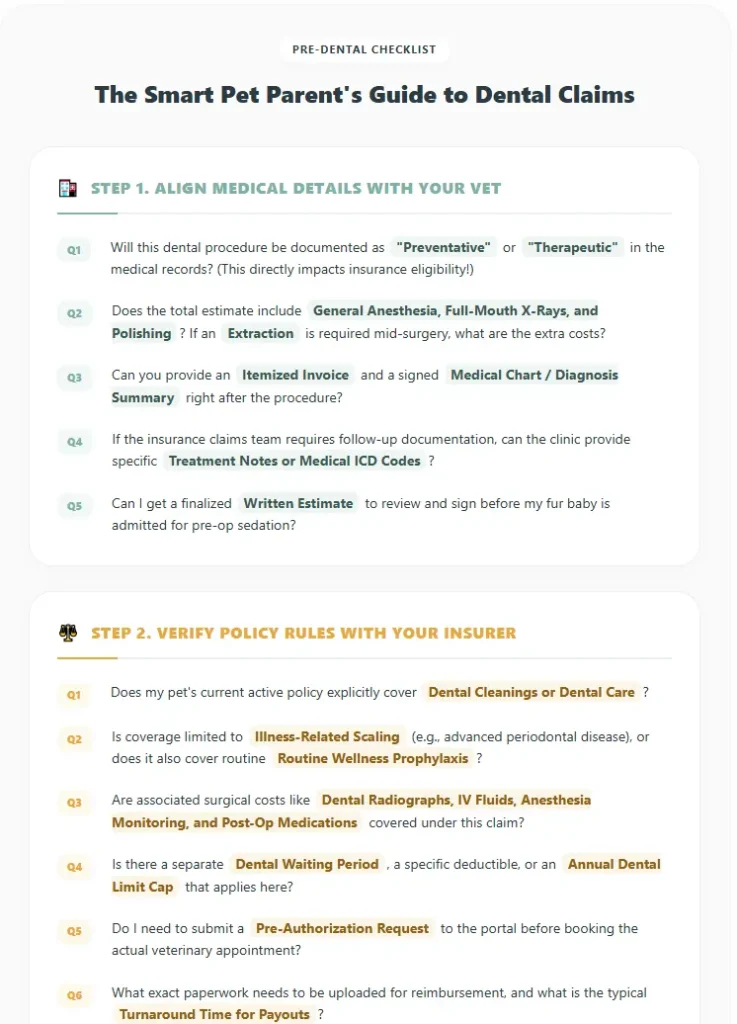
Routine dental cleanings are typically considered preventive care, which is generally not covered by basic insurance policies—additional coverage must be purchased separately. If a pet already has conditions such as tartar buildup or periodontal disease prior to enrollment, related expenses usually cannot be claimed. Additionally, policyholders should pay attention to the waiting period before filing claims, and must keep veterinary records, diagnosis reports, and invoices ready. It’s also important to note that insurance plans distinguish between preventive cleanings and dental treatments, each with different reimbursement rules.
5. Review of Popular Dog Sonic Dental Cleaning Devices
If your dog already has significant tartar buildup, have a professional veterinary dental cleaning performed first, then use auxiliary products for daily oral care.
| Product | Best Use |
| Emmi-Pet (Ultrasonic Toothbrush) | Daily plaque prevention, gingivitis improvement, and teething pain relief for puppies. Suitable for all dog breeds. |
| Pawspik (Ultrasonic Tartar Remover) | Surface stain removal and breath freshening only. Not a replacement for professional cleaning. Requires careful handling to avoid damaging teeth. |
| Ni-Shen (Pet Dental Cleaner) | Comprehensive cleaning for plaque and tartar. Comes with full accessories but requires skill to use. Suitable for both dogs and cats. |
Many people using ultrasonic tooth cleaners overlook a crucial step: pre-treatment with dental cleaning wipes.
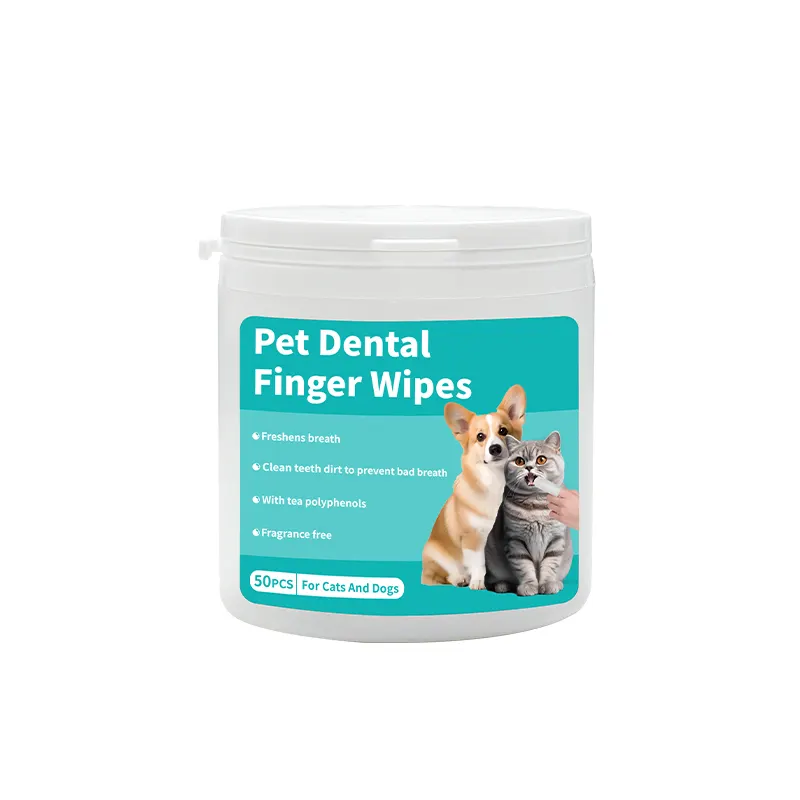
Regardless of whether you choose Emmi-Pet, Pawspik, or Ni-Shen products, wipe your dog’s teeth clean with Vilipets dental wipes before use to remove food debris and soft plaque. This ensures better contact between the ultrasonic probe and the teeth, improves cleaning efficiency, and prevents large particles from being pushed into the gaps between teeth during vibration.
-
Sale!
50 Pcs Pet Ear Cleaning Finger Wipes for Dogs and Cats
Original price was: $5.19.$4.99Current price is: $4.99. Add to cart -
Sale!
Disposable hand wipes for pet cleaning paws and body fur no irritation
Original price was: $8.98.$4.49Current price is: $4.49. Add to cart -
Sale!
-1-300x300.webp)
clean food residues and dog cat blackheads non-irritating wipes
Original price was: $11.89.$9.99Current price is: $9.99. Add to cart