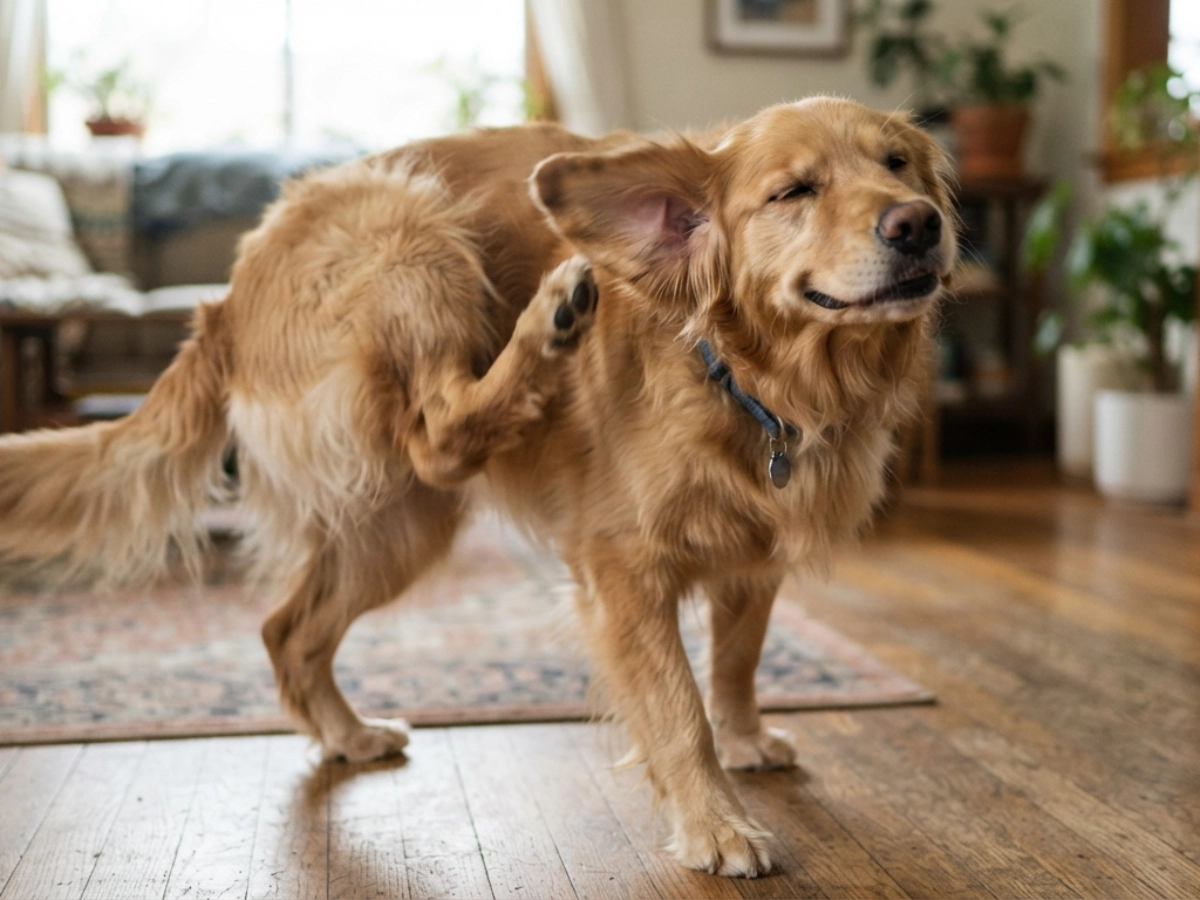

If your dog’s morning kisses have started smelling less like love and more like rotten eggs, you‘re not alone. While wrestling with a toothbrush is the gold standard, finding the best dog food for bad breath is often the easiest, most palatable way to fight canine halitosis right from the food bowl. You don’t have to just live with the odor; switching to a targeted dog food to help with bad breath can effectively implement a daily oral care routine right at home. In this guide, we’ll dive into the real root causes of that stinky mouth and review the top vet-approved options to bring back those fresh-breath cuddles.
According to official data from the American Veterinary Dental College (AVDC), more than 80% of dogs show symptoms of periodontal disease by the age of three.
AVDC Data Insight: Periodontal disease is the most common clinical condition affecting adult dogs. It begins when bacteria in the mouth form a sticky film known as plaque. If not promptly brushed away, this plaque mixes with minerals in the saliva and hardens into tartar within just a few days.
As tartar accumulates along the gumline, it creates a safe haven for the proliferation of harmful anaerobic bacteria. As these bacteria break down food particles, they release volatile sulfur compounds—substances responsible for that foul, offensive odor.
To fix that stinky mouth, we have to look beyond the teeth. Bad breath isn’t always just an oral issue—it can trace back to your pup’s gut, or even signal something more serious with their kidneys and liver.
If you’re doing everything right—like brushing your pup’s teeth daily—and their breath still smells funky, the root cause is likely brewing in their gut.
A vet friend once told me that when a dog’s breath smells downright strange, it’s often a warning sign that your pup is dealing with an underlying medical issue.
To keep your dog’s breath fresh and their system safe, vets warn against letting these toxic foods anywhere near their bowl.
To treat bad breath from the inside out, a targeted, highly functional dog food formula is essential. Below are some commercially available dog foods recommended by veterinarians.
Hill’s Prescription Dental Care Dog Food:
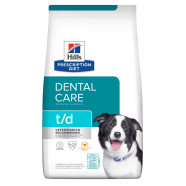
Reason for Recommendation: This formula has earned recognition from the Veterinary Oral Health Council (VOHC) for its ability to significantly reduce the accumulation of plaque and tartar. Furthermore, it incorporates a patented fiber matrix technology; as the dog eats, the food acts like a toothbrush—continuously rubbing against the tooth surfaces to mechanically remove plaque.
Blue Buffalo Natural Veterinary Diet GI Gastrointestinal Support Formula:
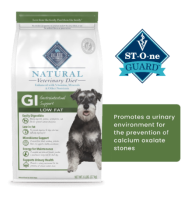
Recommended Because: As mentioned earlier, persistent bad breath often doesn’t start in the mouth
—it originates deep in your dog’s gut. This clinical formula is specifically engineered to tackle gastrointestinal issues from the inside out. It features easily digestible proteins and prebiotic fibers that balance the gut microbiome, stopping the abnormal fermentation that causes putrid odors to travel up to the breath. Plus, it contains Blue Buffalo’s signature cold-formed LifeSource Bits—a precise blend of antioxidants and vitamins to boost your pup’s immune defense against bad oral bacteria.
If a veterinarian has confirmed that your dog’s oral cavity is free of issues, yet persistent bad breath remains, it is highly likely that the odor stems from underlying gastrointestinal problems. In such cases, a probiotic-enriched dog food specifically formulated to support digestive health becomes an essential part of their diet.
Purina Pro Plan FortiFlora Probiotic Dog Food:
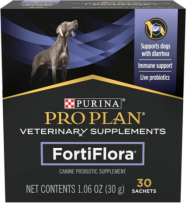
Reason for Recommendation: FortiFlora is backed by over 20 years of clinical research. It contains the core strain SF68—a highly resilient strain capable of rapidly promoting digestion and balancing the intestinal microbiome. It is particularly well-suited for managing acute gastrointestinal disturbances caused by dietary changes, stress, or antibiotic treatment.
Nutramax Proviable-DC:
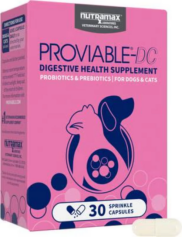
Recommended Because: This supplement contains a complex blend of seven bacterial strains, delivering a live culture count of 5 billion to provide comprehensive coverage of both the large and small intestines. Research from the Cornell University College of Veterinary Medicine indicates that multi-strain blends are more effective at crowding out harmful bacteria; as the population of harmful gut bacteria diminishes and the gases produced by abnormal fermentation dissipate, breath naturally returns to a fresh state.
Small dogs possess very small jaws, yet their teeth are relatively large. This unique oral structure makes it easier for food residue and bacteria to accumulate, while also increasing their susceptibility to jaw fractures and tooth loss.
Spot & Tango UnKibble:
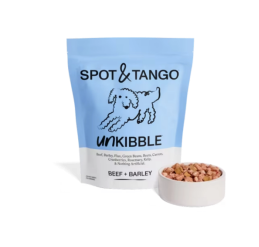
Recommended Because: For small dogs that struggle to chew the large kibble pieces found in prescription diets, this product offers an outstanding blend of dry and wet food. Crafted from 100% human-grade ingredients, it is free from the highly adhesive components—such as cornstarch and wheat flour—typically found in conventional dog foods; these ingredients tend to easily cling to the often-crowded teeth of small breeds. UnKibble retains the resilient fibrous structure of natural meats and fresh vegetables, providing gentle physical abrasion during chewing while simultaneously helping to maintain optimal digestive health.
If you want to ensure your dog’s oral hygiene is maintained even while they enjoy a snack, it is essential to select effective treats and cleaning additives. Here’s what you should look out for when picking them.
When shopping for dental chews, prioritize brands such as Greenies, OraVet, and Virbac CET Veggiedent. These products have undergone clinical testing and are proven to reduce plaque and tartar buildup by up to 40%.
The most effective dental cleaning powders on the market typically contain a specific organic seaweed ingredient known as *Ascophyllum nodosum*. Be sure to check the ingredients list when making your selection.
Unlike dog water additives,dental cleaning powders work from the inside out. Once your pup swallows the powder, its organic components hit the bloodstream and subsequently secreted through the saliva, providing a continuous, ongoing cleaning action for the mouth.
Incorporating specific ingredients into your dog’s daily diet can effectively freshen their breath; however, preparing homemade dog food requires striking a balance between efficacy and overall health.
When my golden retriever, Luna, developed persistent bad breath, I tried cooking fresh meals under our veterinary consultant’s guidance. I quickly noticed a fascinating shift: after moving away from heavily processed kibbles filled with sticky starches, her saliva became noticeably clearer, and that sulfur smell vanished.
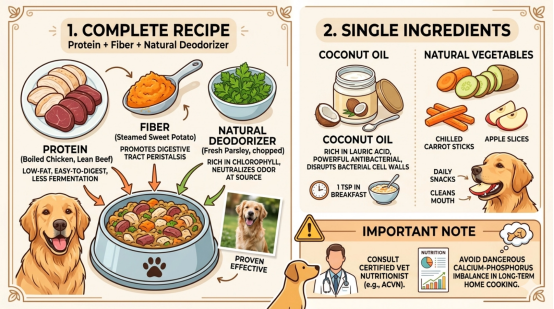
Here are some of my experiences making homemade dog food:
Protein: Sources such as boiled chicken breast and lean beef provide high-quality, low-fat, and easily digestible protein—ingredients that do not linger in the stomach to ferment.
Dietary Fiber: Steamed sweet potato puree effectively stimulates peristalsis within the digestive tract.
Natural Deodorizer: A tablespoon of chopped fresh parsley; rich in chlorophyll, it neutralizes odors at the source.
I tried this exact combo with Luna, and I can promise you it works wonders!
Coconut Oil: Rich in lauric acid, coconut oil possesses powerful antibacterial properties capable of effectively breaking down the cell walls of harmful bacteria. I typically add one teaspoon to my dog’s breakfast.
Natural Vegetables: Natural vegetables—such as chilled carrot sticks and apple slices served as daily treats—are highly beneficial for a dog’s oral health; their firm texture and high fiber content effectively help clean the mouth while the dog chews.
Helpful Tip: If you intend to prepare homemade meals for your dog over the long term, it is crucial to ensure nutritional balance. Please be sure to consult a veterinary nutritionist certified by the American College of Veterinary Nutrition (ACVN). Formulating your dog’s staple diet on your own over an extended period—without professional guidance—could lead to a dangerous imbalance in calcium and phosphorus levels.
Selecting the appropriate intervention depends entirely on the underlying cause of your dog’s bad breath. To help you quickly make an informed decision, here is a veterinarian-verified, comprehensive analysis of the key foods, supplements, and therapies mentioned above:
| Brand Type | Compatibility Status | Mechanism of Action | Does it have VOHC certification? |
| Hill’s Prescription Diet | Advanced Dental Cleaning | Proprietary granular fiber matrix (provides deep physical friction during chewing) | The Gold Standard for Plaque and Tartar Control |
| Blue Buffalo GI Support | Gut-Related Odors & Sensitive Stomachs | Uses highly digestible proteins and prebiotic fibers to stop the gut fermentation that causes bad breath. | No (Focuses on digestive health and gut-oral axis). |
| Probiotic Dog Food / Supplements (e.g., FortiFlora, Proviable-DC) | Intestinal Malodor | Balances gut microbiome and reduces gases produced by abnormal fermentation | No (Focuses on gut-oral axis) |
| Spot & Tango UnKibble | Small Dogs and Whole Foods Enthusiasts | Gently air-dried fibers provide mild physical abrasion during chewing without leaving sticky starch residues | No (Focused on high-quality, pure whole-food nutrition) |
| Dog Dental Cleaning Powder (Algae-based) | Suitable for dogs that resist teeth brushing, as well as busy owners. | Certified Organic Seaweed | Varies by brand (please look for products containing ProDen PlaqueOff) |
Veterinarians typically advise striking a balance between physical abrasion and chemical control. To keep a dog’s breath fresh, a multi-faceted care regimen is essential. Furthermore, when selecting related products, it is highly recommended to choose those bearing the VOHC (Veterinary Oral Health Council) seal of approval.
This refers to the physical removal of plaque from the smooth surface of tooth enamel *before* it mixes with salivary minerals and calcifies into hard tartar. Large dental cleaning particles and fiber-rich vegetables are particularly effective in this regard.
This method utilizes active enzymes, probiotics, or organic compounds (such as specific types of seaweed) to alter the chemical environment within a dog’s mouth and gut. The underlying principle is to inhibit bacterial proliferation and prevent plaque from adhering to the teeth at the source.
Daily Diet and Dental Chews (Maintenance): Utilize functional foods (such as Hill’s t/d) and VOHC-certified dental chews to provide continuous, daily mechanical cleaning and support for gut health.
At-Home Brushing (Prevention): Daily brushing remains the absolute “gold standard” for at-home oral care. Nothing can truly replicate the physical action provided by a toothbrush.
Professional Veterinary Dental Cleaning (Deep Cleaning): Once plaque hardens into tough, brown tartar, it cannot be removed by any food, dental powder, or toothbrush. Your dog will require a professional veterinary dental cleaning and polishing—performed under anesthesia—to safely scale away tartar located below the gumline, where odor-causing bacteria often hide.