
I recall a friend once asking me why her puppy had bad breath. She wondered why the puppy—which had smelled faintly of milk when she first brought it home at eight weeks old—suddenly developed an unpleasant odor just a week later. I told her that while a little ‘puppy breath’ is totally normal, true halitosis—the medical term for chronic bad breath—is a whole different ballgame and could mean an underlying health issue.
In this guide, we’ll break down exactly what’s causing that smelly breath and share hands-on tips to keep your pup’s mouth fresh and healthy.
A puppy’s bad breath is no coincidence; it follows certain biological patterns. Knowing the puppy’s age and keeping track of its habits is the quickest way to get to the bottom of that sudden, unpleasant odor.
At eight weeks of age, a puppy’s digestive system and oral cavity are undergoing significant changes. If your two-month-old puppy has bad breath, it is likely due to the dietary shift from mother’s milk to solid food. During the weaning phase, food particles—such as kibble or wet food—can easily mix with residual lactose in the mouth, causing a rapid proliferation of bacteria that leads to bad breath; this is also the stage when puppies begin to explore the world using their mouths.

If your 4-month-old pup has stinky breath, don’t panic—it’s completely normal. Your fur baby is officially entering the teething phase. As their baby teeth loosen to make way for permanent teeth, the gums become red, swollen, and prone to bleeding; the oxidation of iron from the blood in the mouth produces a distinctive metallic or bloody odor.
At five to six months of age, puppies experience their most intense period of teething and a strong desire to explore the world. I have a Golden Retriever named Luna; one morning when she was five months old, I noticed a fishy-smelling odor on her breath while we were cuddling. Upon closer inspection of her mouth, I discovered a retained baby tooth that had created a small pocket, trapping various bits of debris. That was when I realized I needed to pay closer attention to her oral care.
| Key reason | Odor characteristics | Specific manifestations |
| Interference during the tooth-replacement period | Metallic, bloody smell | The shedding of primary teeth causes gum redness and swelling; the oxidation of iron in the blood produces a metallic taste; and food accumulates in the crevices around retained primary teeth. |
| Poop-Eating (Coprophagia) & Funky Diets | Sudden onset of a foul odor or a smell resembling feces. | Puppies are in an exploratory phase and, out of curiosity, are highly prone to eating their own feces or that of their littermates; alternatively, food residue from their weaning diet may undergo excessive fermentation in the mouth. |
| Retention of foreign body in the oral cavity | Stench of decay, foul odor | When a puppy chews indiscriminately, wood chips, plant fibers, or toy fragments can become lodged in the roof of the mouth or between the teeth, where they decompose through the action of saliva and bacteria. |
| Dental Plaque and Tartar | Persistent bad breath | Soft deposits on the tooth surface that are not promptly removed harden into dental calculus within a few days, creating a breeding ground for anaerobic bacteria and triggering early-stage periodontal disease. |
| Systemic organ disease | Smell of ammonia (urine) or a sour, putrid odor | The odor may originate from areas outside the mouth. For example, abnormal kidney metabolism can produce an ammonia odor; gastrointestinal indigestion or intestinal obstruction can cause stomach gas to rise. |
To distinguish between internet rumors and genuine medical science, we consulted the leading authorities in veterinary dentistry: VCA Animal Hospitals and the *Journal of the American Veterinary Medical Association (JAVMA).
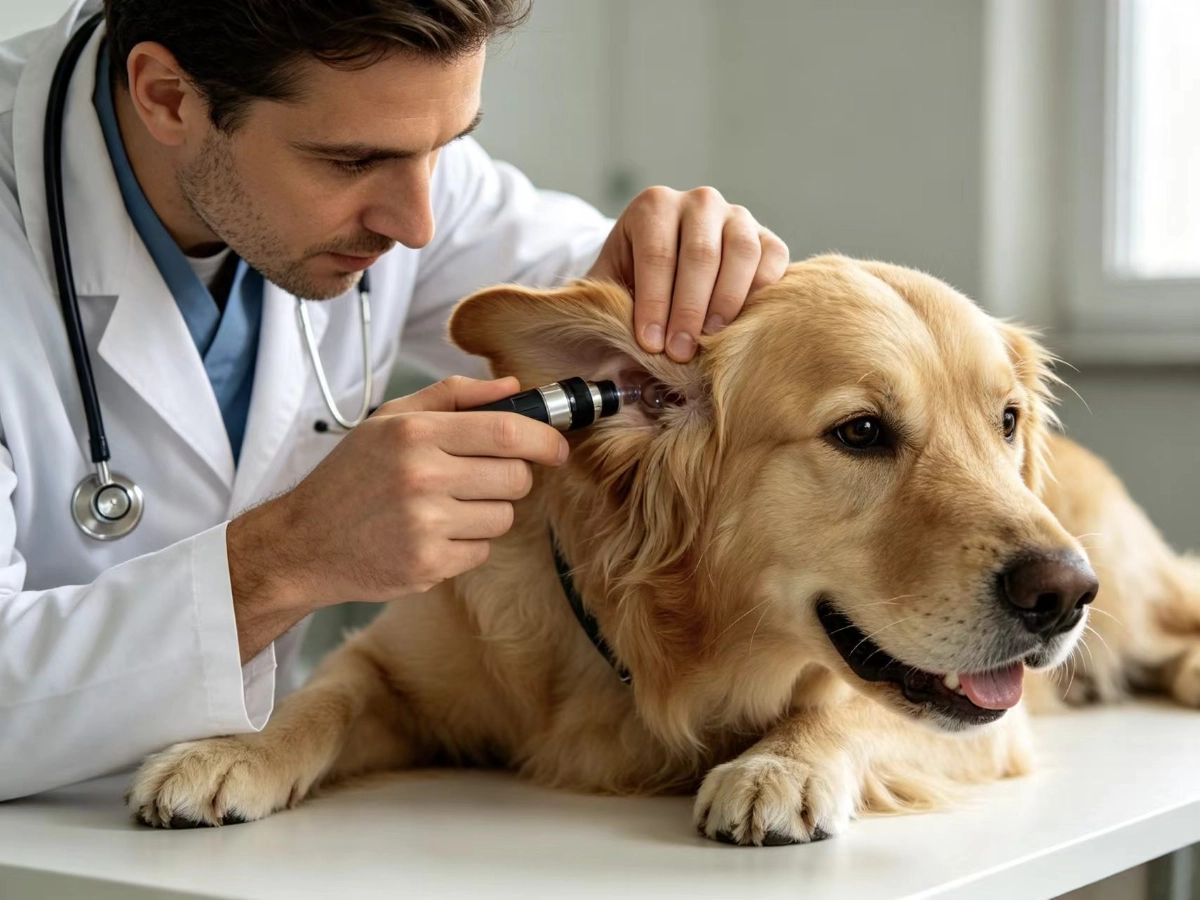
VCA clinical guidelines emphasize that puppies must complete the transition from deciduous (baby) teeth to permanent teeth between the ages of 4 and 6 months. If deciduous teeth fail to shed on schedule—a condition clinically known as “retained deciduous teeth”—problems arise. While common in small breeds, this issue also occurs in medium-to-large breeds (such as Golden Retrievers) and may have a genetic component, as it frequently runs in certain dog families.
Retained deciduous teeth press tightly against newly erupting permanent teeth, creating narrow gaps that are extremely difficult to clean. According to AVDC warnings, these crevices can accumulate food debris, hair, and saliva within just a few days, rapidly leading to the formation of a dense bacterial biofilm. This is the underlying medical reason why your five-month-old puppy’s breath might suddenly develop a fishy or foul odor.
In several epidemiological and clinical oral health studies published in recent years by the American Veterinary Medical Association (including large-scale data analyses in *JAVMA* and *AJVR*), veterinary experts have used real-world clinical data to reveal the progression of oral disease in dogs:
Faced with a flood of sprays and dental treats on the market promising to “instantly eliminate puppy breath,” veterinary experts offer consistent advice: trust only products certified by the VOHC (Veterinary Oral Health Council).
The VOHC is an independent review body officially supported by the AVDC. For a pet brand to display the VOHC seal of approval on its packaging, it must submit rigorous clinical data meeting the standards of double-blind, controlled trials. Only products proven to mechanically or chemically reduce plaque or tartar by at least 15% to 20% receive this endorsement.
As Luna’s parent, my golden rule when selecting teething toys and dental treats is to check the back of the packaging for the VOHC seal. This not only ensures the product is safe for my puppy but also prevents me from being misled by marketing gimmicks that lack clinical evidence.
Step 1:Catch your pup when they’re nice and relaxed—like after a good meal or a play session. Gently rub their cheeks and use your thumb to flip up their upper lip to peek at those little canines. If they stay still, shower them with praise!
Step 2: Squeeze a small amount of pet-safe enzymatic toothpaste (e.g., chicken or beef flavor) onto the pad of your index finger and let the puppy lick it. Then, using the toothpaste-coated finger, gently apply a little paste to the large molars at the back of the mouth on both sides.
Step 3: Provide a soft rubber toy with a little toothpaste applied to it; let the puppy chew on the toy to help clean the gaps between its teeth on its own.
Step 1: Put on a silicone finger toothbrush and apply toothpaste. Lift the lips and gently rub the front incisors and the canines (fangs) on both sides using a circular motion. Do not force your finger deep into the back of the mouth, as this may trigger a gag reflex or result in a bite.
Step 2: Prepare an ultra-soft-bristled toothbrush for children or a small, long-handled toothbrush designed for pets. Allow the pet to lick the toothpaste off the bristles or even gently gnaw on them. This helps them get used to the sensation of bristles rubbing against their teeth.
Step 3: Say a specific cue word (such as “Time to brush”) before every session, and immediately offer a small treat as a reward once finished.
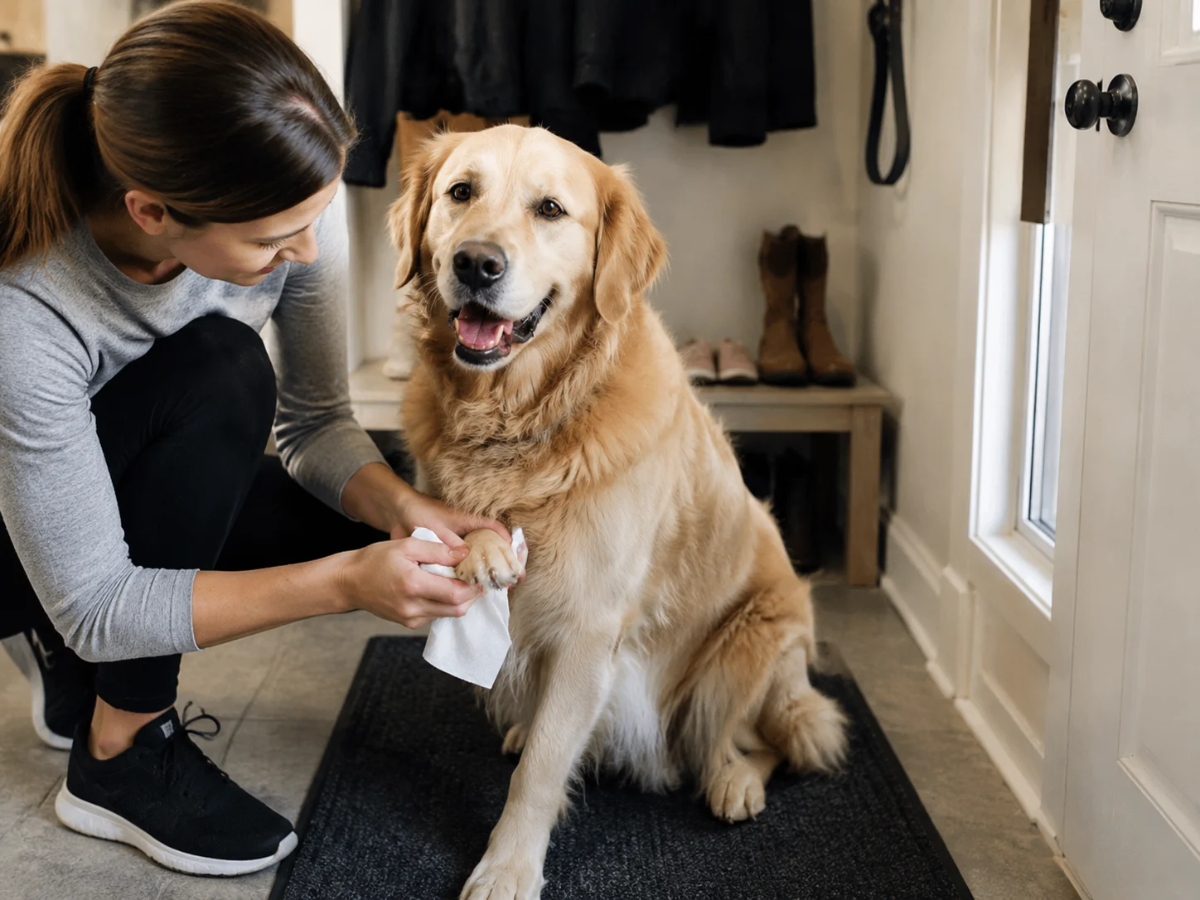
Step 1: Stop using any standard toothbrushes. Switch to pet dental wipes or a piece of clean gauze wrapped around your finger, moistened with cold, clean water. Gently wipe the tooth surfaces. The cooling sensation effectively soothes the inflammation and heat associated with teething.
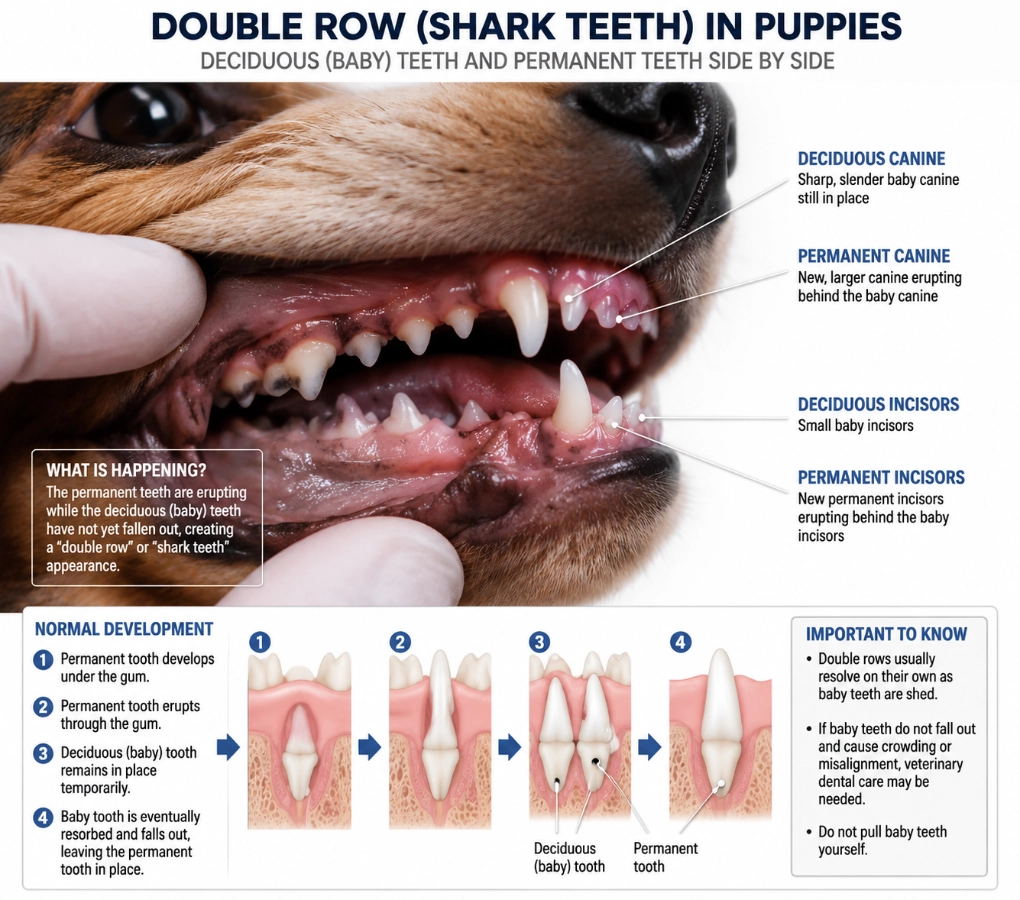
Step 2: Check your pup’s mouth daily for “shark teeth”—that’s when the new adult teeth erupt before the baby teeth have dropped out, creating a double row of teeth If you notice a loose baby tooth, do not attempt to pull it out by force.
Step 3: Dampen a clean cotton towel, wring it out, roll it into a strip, and freeze it. Let the puppy chew on it for 5–10 minutes daily. A frozen towel safely relieves itching without the risk of damaging fragile new teeth—unlike hard wood or bones, which could cause breakage.
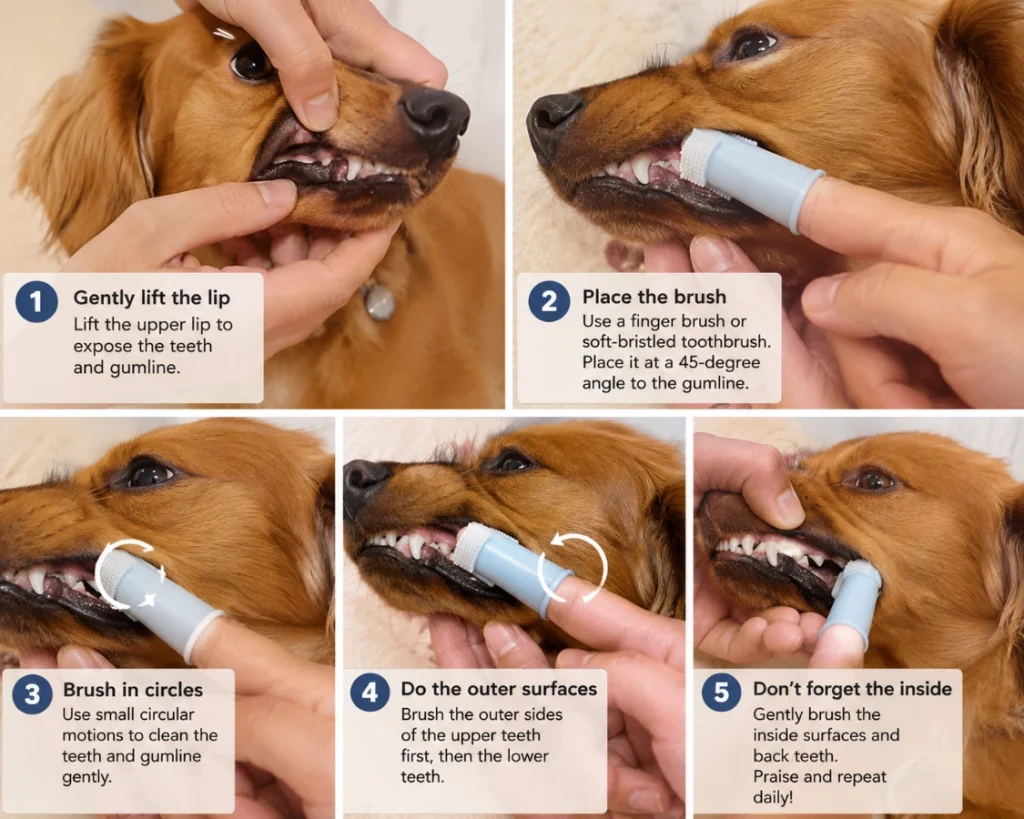
Step 1: (30 seconds – 1 minute) Resume using a soft-bristled, long-handled toothbrush. Apply toothpaste and position the brush at a 45-degree angle toward the gum line (where the teeth meet the gums).
Step 2: Standard Brushing
Brush the large molars at the back first: Insert the brush from the corner of the mouth and scrub the molars up and down (this is where tartar accumulates most easily).
Brush the canines and incisors next: Finally, lift the front lip and clean the incisors using a circular motion.
Note: There is no need to force-brush the inner surfaces of the teeth (the side facing the tongue); the dog’s saliva and tongue will naturally clean these areas.
Step 3: Establish a habit of brushing at a fixed time every day (e.g., after dinner). You can supplement this routine by adding a dental rinse (water additive) to their daily drinking water or by mixing oral probiotics into their food to inhibit oral bacteria.
While most cases of bad breath in puppies are linked to normal developmental stages like teething, the odor can sometimes serve as a warning sign of more serious underlying health issues. Knowing how to distinguish between the smells associated with teething and those indicating a medical emergency is crucial for your puppy’s health.
If your puppy exhibits any of the warning signs mentioned above, do not wait until the next routine vaccination to take action. Follow this targeted checklist immediately:
The content of this blog is for informational purposes only. It combines the author’s personal feeding experiences as an expert blogger with science-based information from authoritative public sources; it is not a substitute for professional veterinary diagnosis. A puppy’s oral health can change rapidly, and teething or sudden bad breath may mask underlying pathological issues. If your dog shows signs of severe discomfort, persistent foul odor, uncontrollable gum bleeding, or refuses to eat, please consult a licensed veterinarian or visit a professional veterinary hospital immediately.